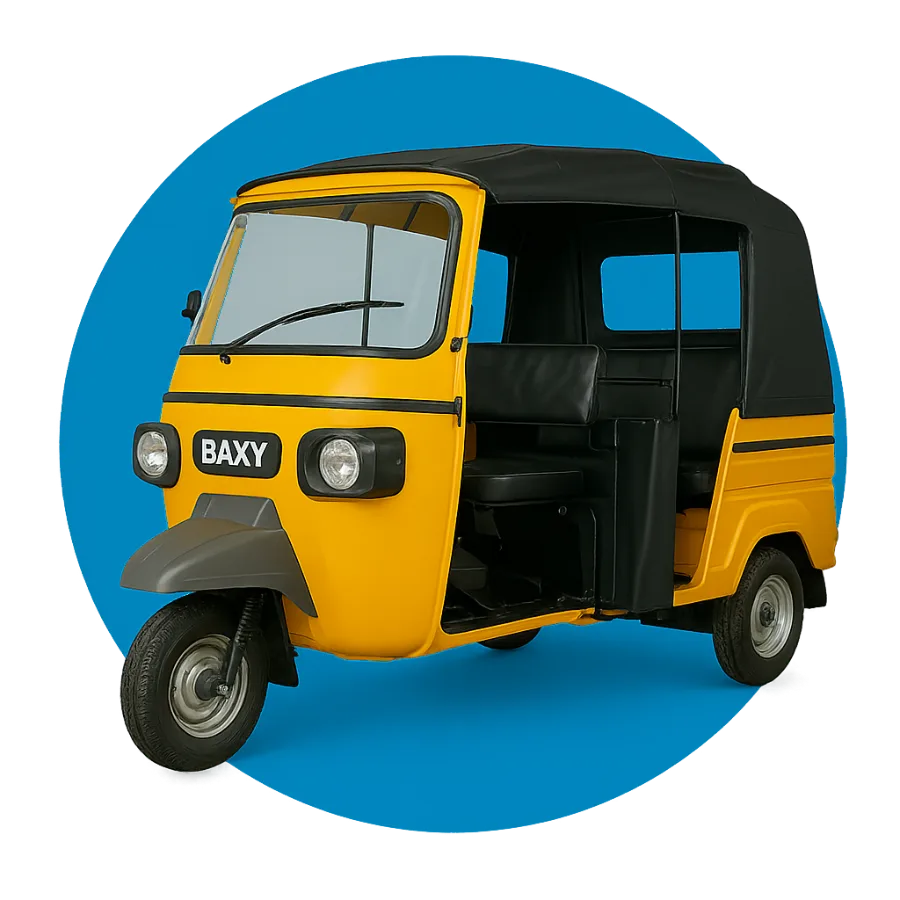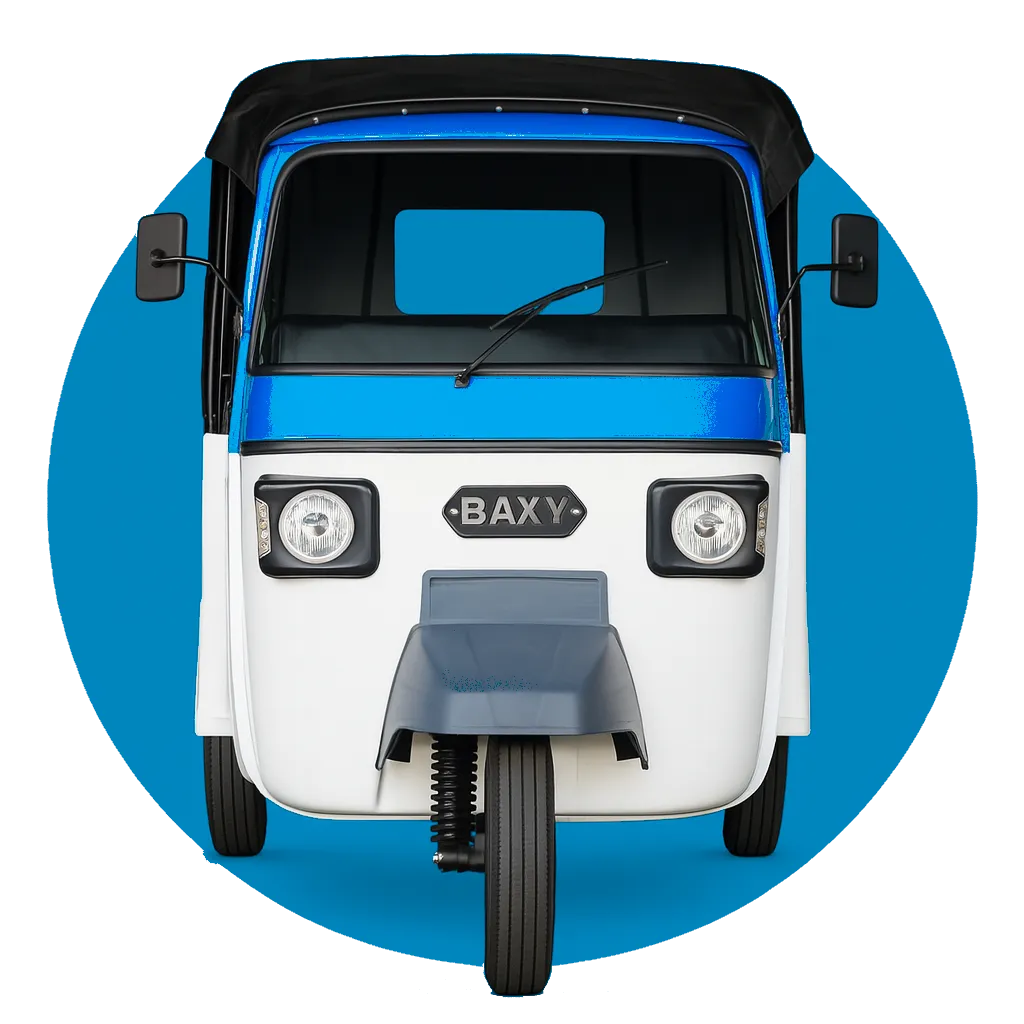
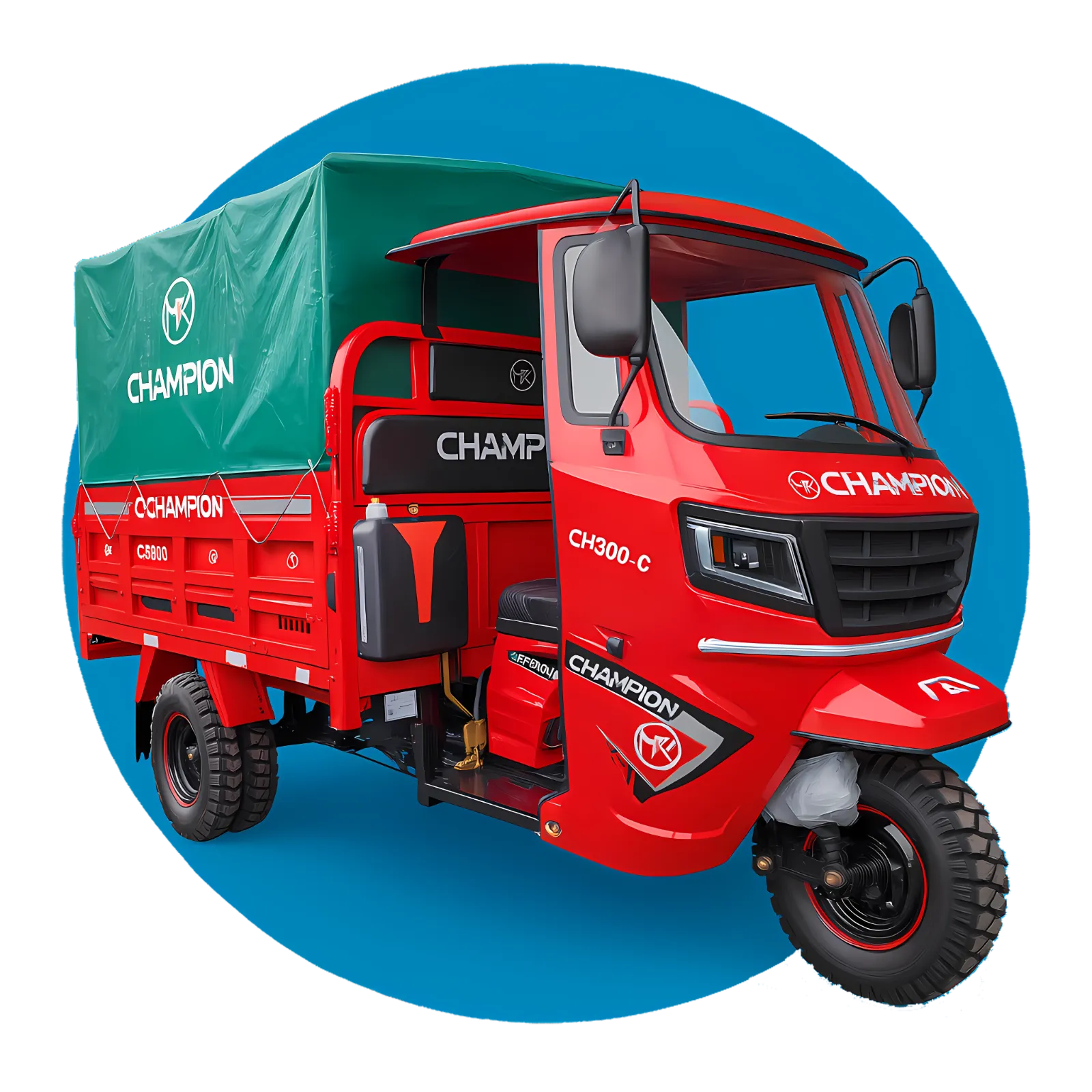
Marsabit County is the largest in Kenya. Marsabit town sits on a forested mountain in the middle of a dry plain, and Moyale on the Ethiopian border is a busy trading town. The tarmac A2 road links both to Isiolo and the south. Tuk-tuks serve the towns, where distances are short and demand is steady.
- Passenger work
- Marsabit and Moyale town routes
- Cargo work
- Cross-border goods at Moyale, livestock trade, water
- Models to compare
- Champion CH250, CH300, Baxy Express
- Plan for
- Rocky roads, wind and dust, long service trips
Two main town markets
In Marsabit town, tuk-tuks carry passengers between the market, the hospital, schools, government offices and the estates on the mountain. In Moyale, travellers and traders move between the border, the bus stage and the markets on the Kenyan side. Smaller centres such as Laisamis and Loiyangalani have little regular transport, so private hire happens when demand arises.
Trade, livestock and water
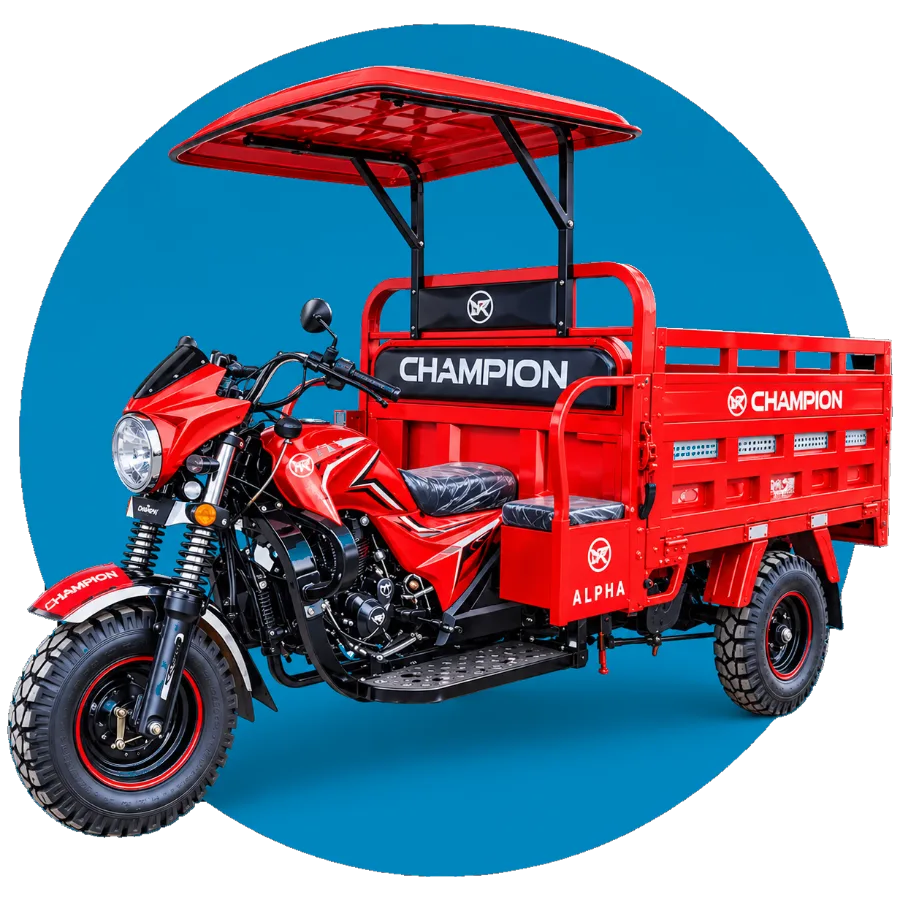
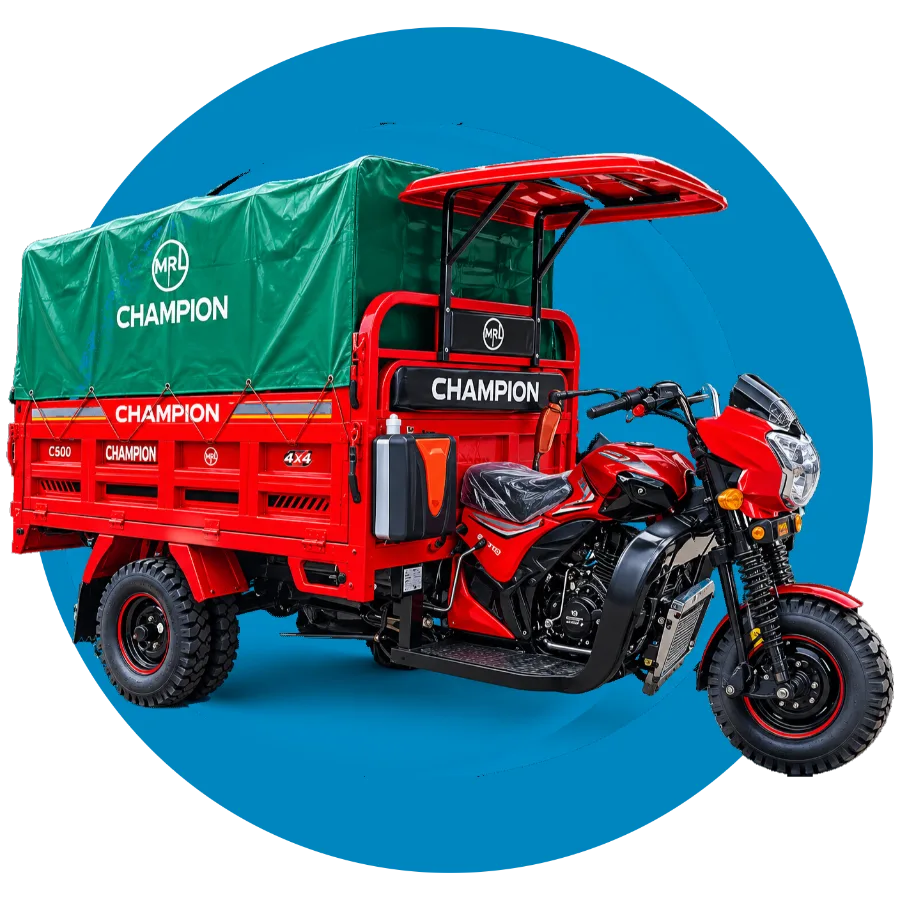
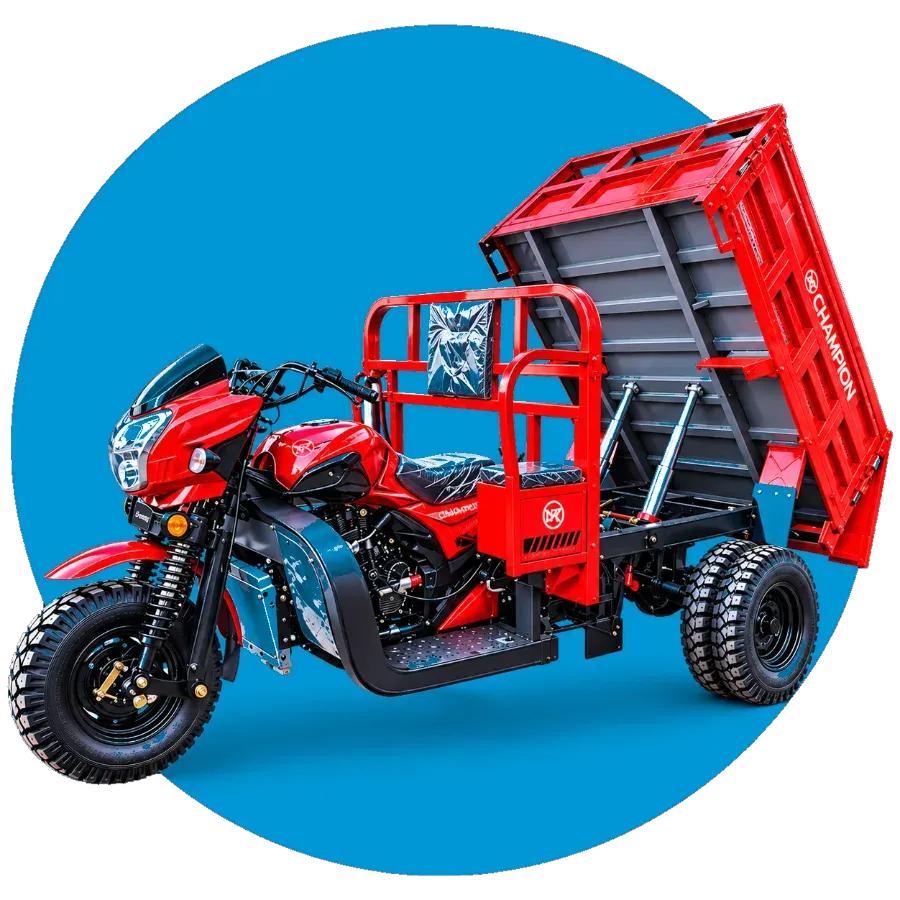
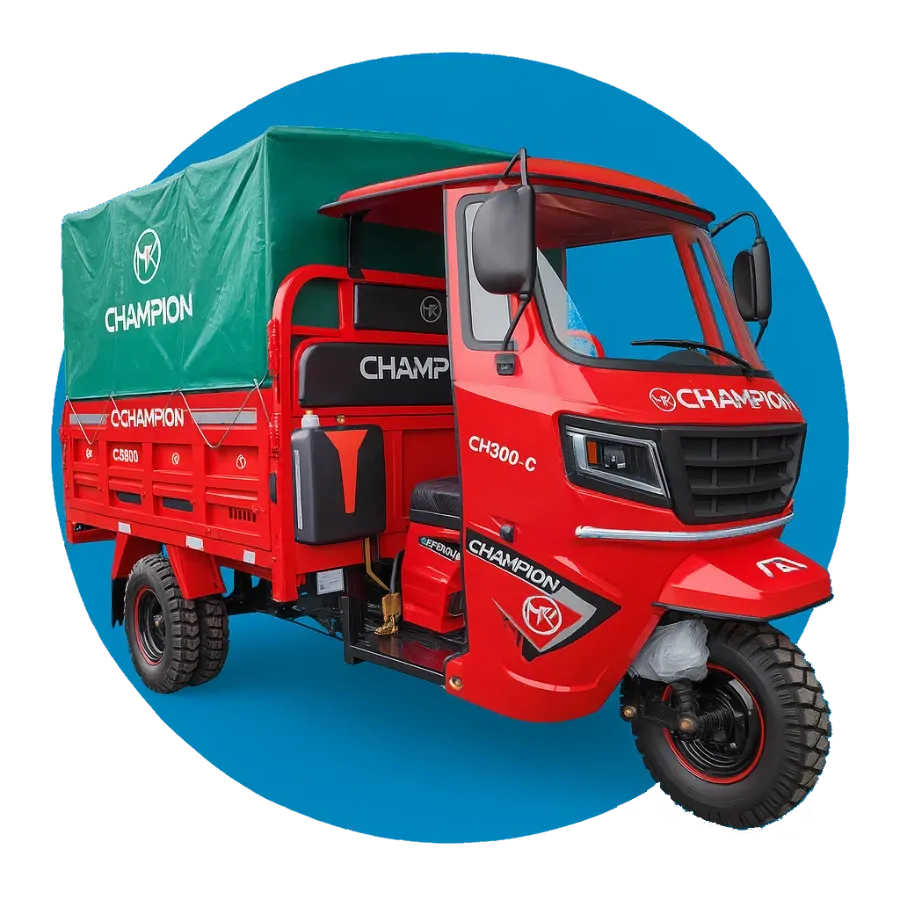
Moyale is a major crossing point with Ethiopia, and goods move through it every day. Traders need vehicles to move stock from trucks and the border to shops and stores. Livestock is central to the county economy, and water delivery is steady work in town. The Champion CH250 and CH300 suit these loads.
Rocky roads and long distances
The A2 is tarmac, but town and village roads are often rocky or murram, and wind and dust are common. Check tyres, brakes and air filters often. Marsabit town is cooler and can be misty, so a cab with weather protection helps. The nearest MRL location is a long drive away, so keep basic spares and plan service trips.
Choosing your first tuk-tuk in Marsabit County
Start by deciding whether you will carry people or goods. In Marsabit County, passenger work centres on Marsabit and Moyale town routes, while cargo work centres on cross-border goods at Moyale, livestock trade, water. Many owners pick the side of the trade they already know, or where they have regular customers lined up.
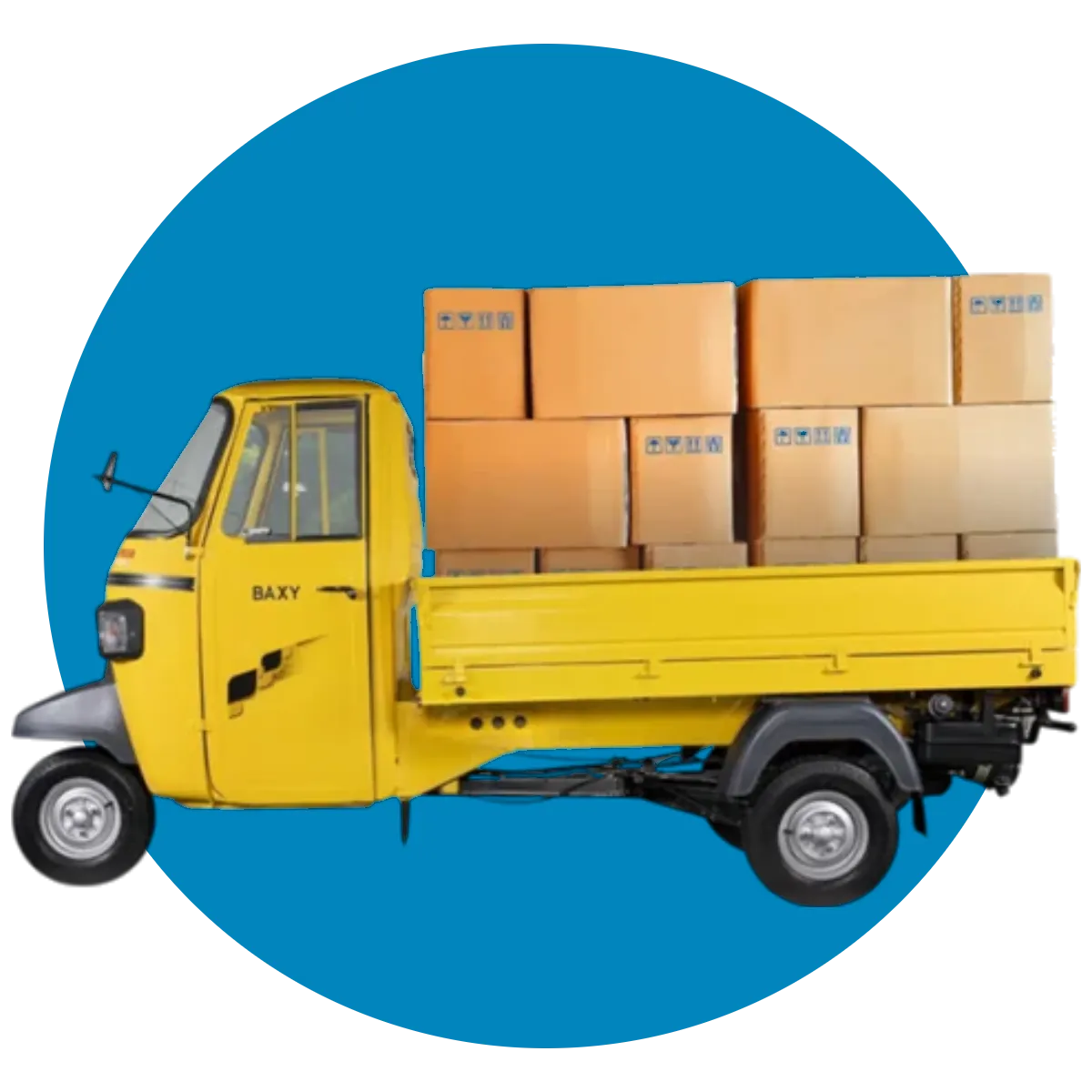
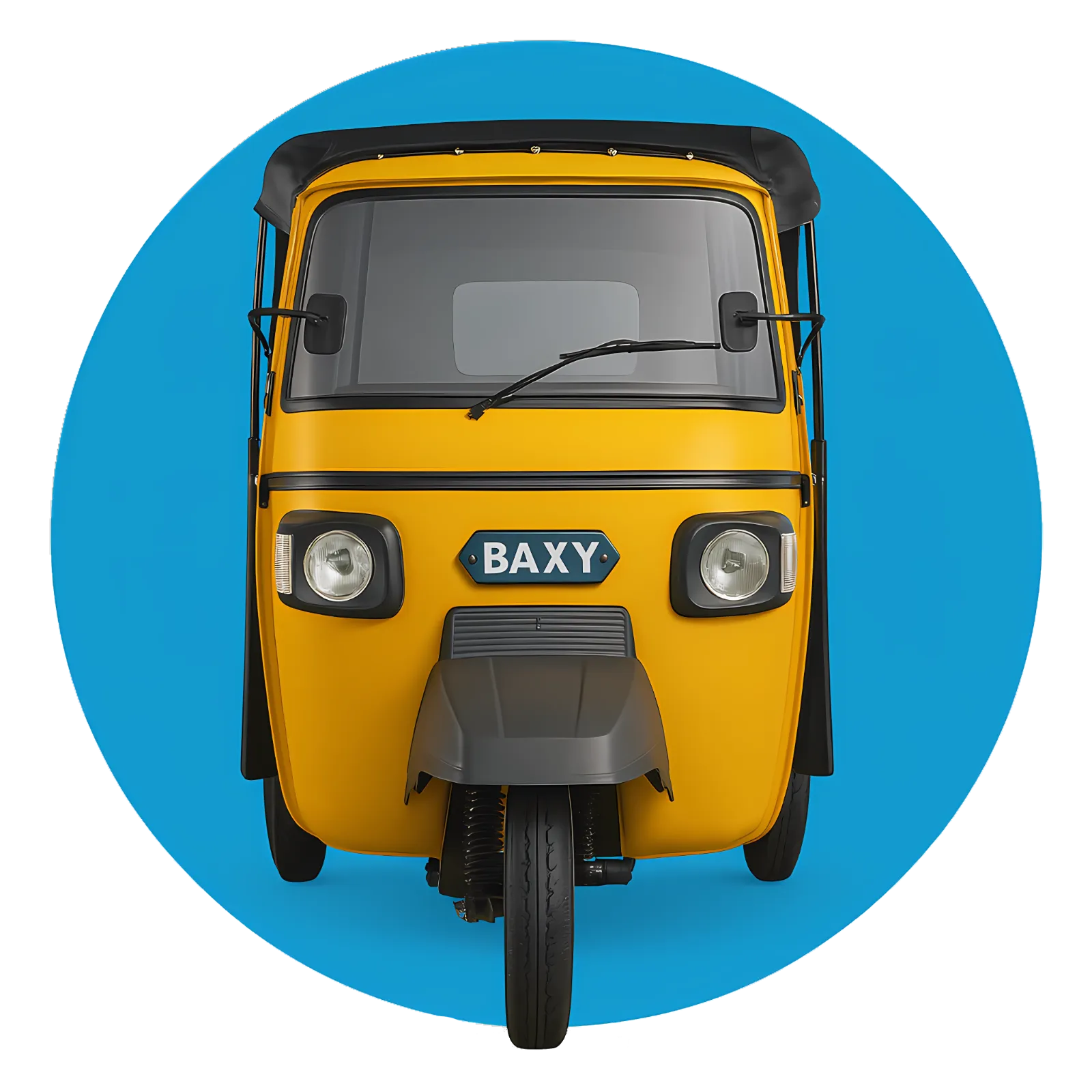
For local conditions, the models to compare first are Champion CH250, CH300, Baxy Express. Each vehicle page shows the cash price and key specs, and the comparison page puts them side by side. Before you buy, ask the branch about running costs, spares and which model other owners in your area use.
Getting on the road in Marsabit County
A tuk-tuk that carries paying passengers is a public service vehicle. It needs NTSA registration, a PSV licence and commercial PSV insurance, and the driver needs a valid licence for three-wheelers. NTSA expects PSV operators to belong to a registered SACCO or company, and most stages have their own association with its own fees and rules. Cargo tuk-tuks need registration and commercial insurance.
Marsabit County charges for business permits and, in many towns, stage or parking fees. Rules and fees change, so confirm current requirements with NTSA and the Marsabit County offices before you set your budget.
Plan for more than the price of the vehicle. Your first budget should cover registration, insurance, licences, SACCO membership, basic spares, and fuel or charging for the first weeks while you build regular customers.
Driving it yourself or hiring a driver
Some owners drive their own tuk-tuk. Others buy one and employ a driver. If you hire, agree the terms in writing: the daily or weekly amount the driver hands over, who pays for fuel and minor repairs, rest days, and what happens after an accident. Keep service records, because they help if you ever need to make a warranty claim.
Your nearest MRL location
The nearest MRL location to Marsabit County is Esmail Arbi and Sons Investments Ltd (Meru) in Meru, Meru County. It is an MRL Authorised Dealer, an independent company authorised by MRL Motors to sell and support MRL vehicles. Call or WhatsApp before you travel to confirm stock and colour, and ask which spares are worth keeping with you if you work far from the branch.
Bring your questions about documents and which model suits your work. Financing applications are handled by MRL Finance at mrlfinance.com.
Licensing and permit details are general guidance. Confirm current requirements with NTSA and your county before you buy.