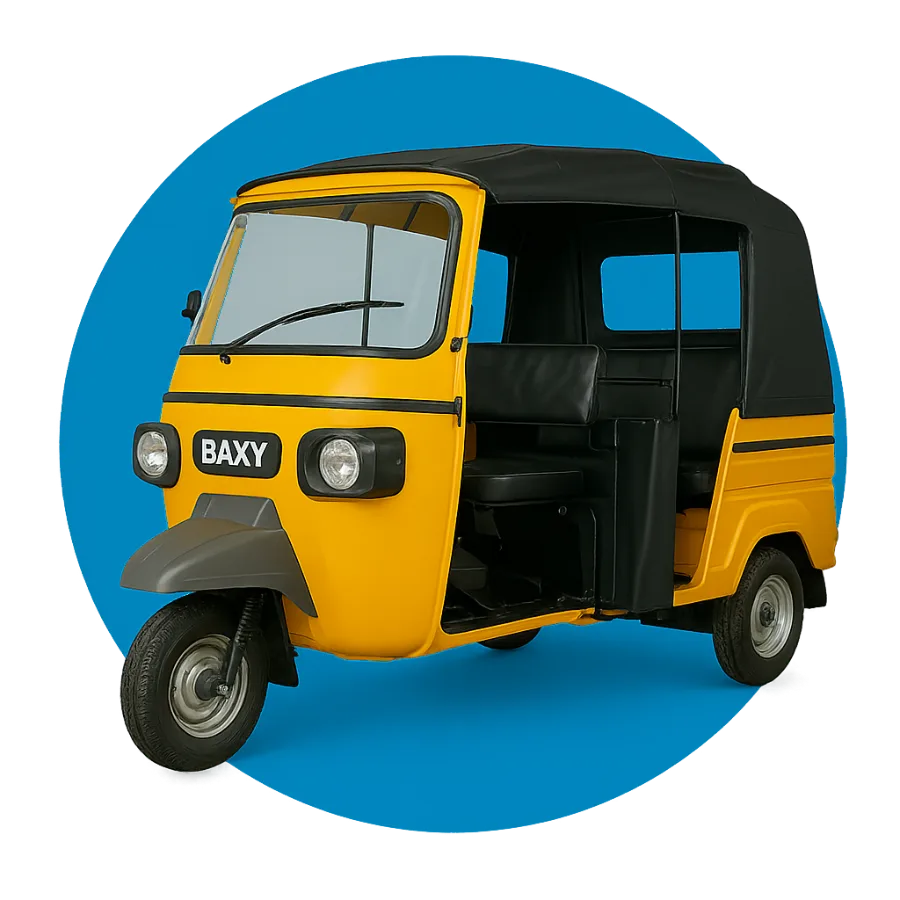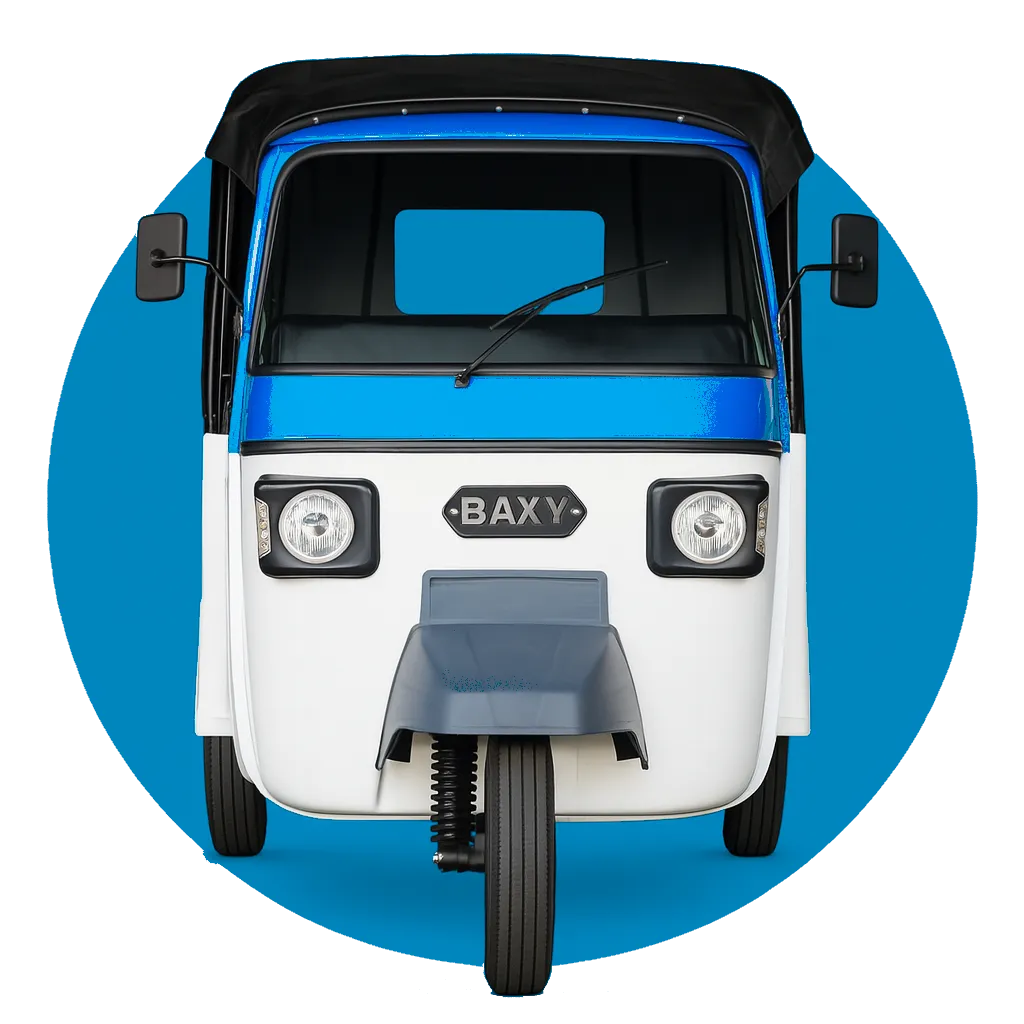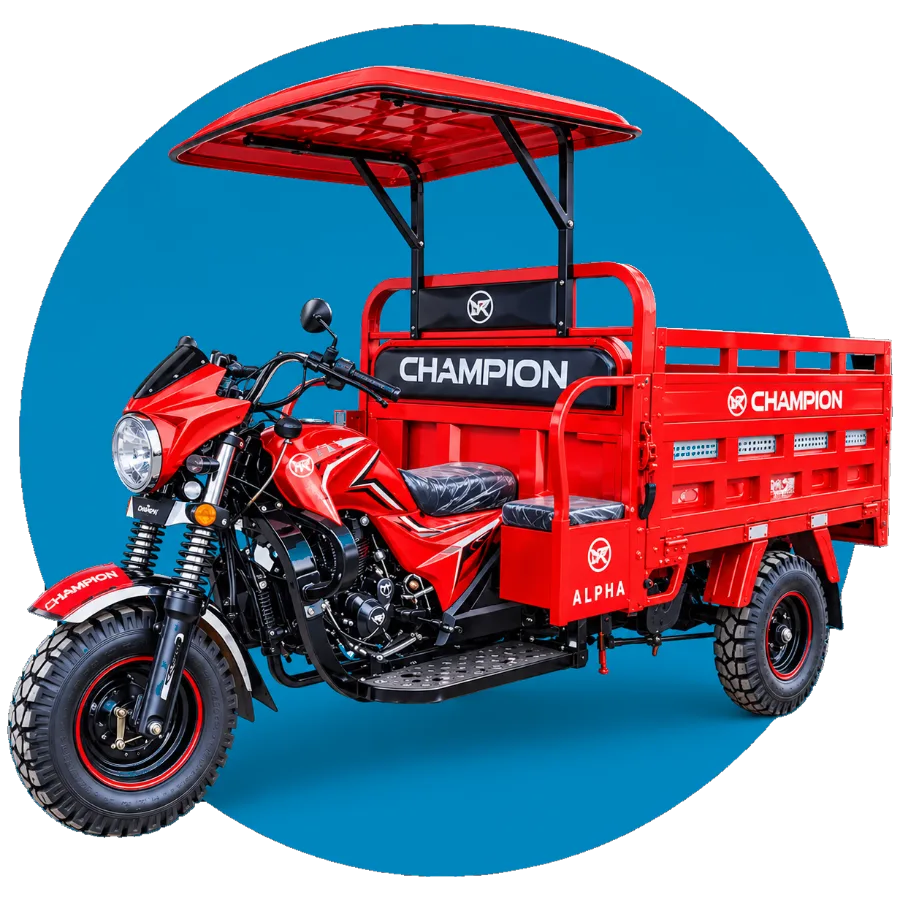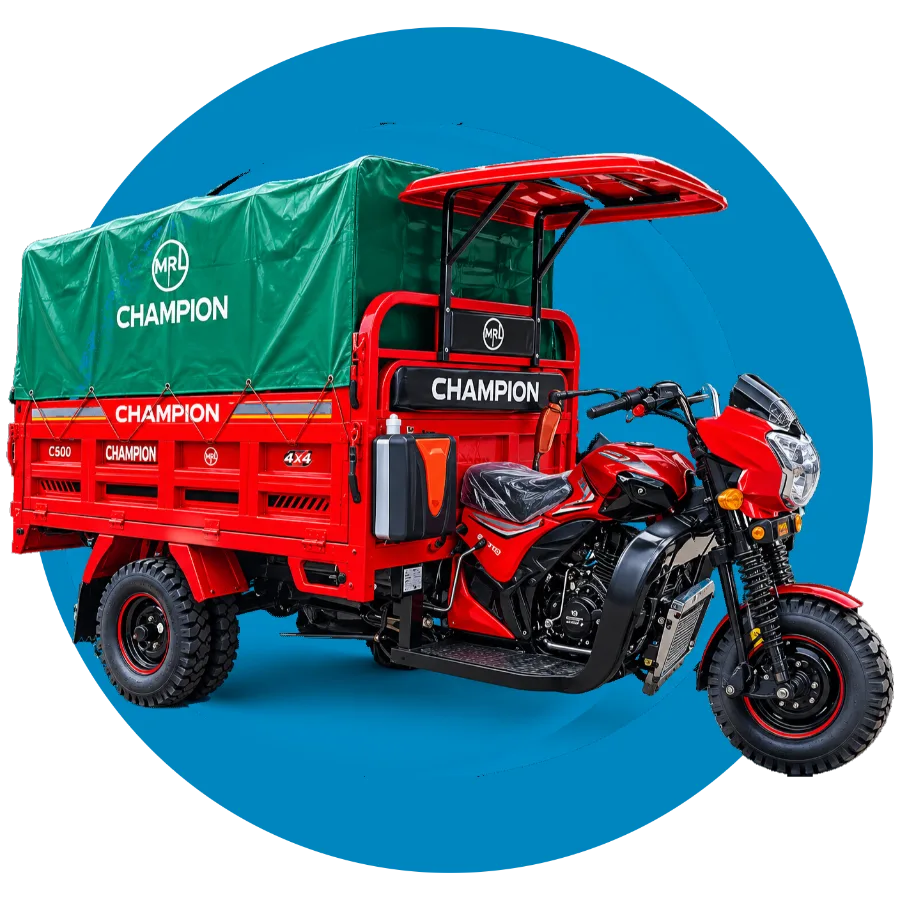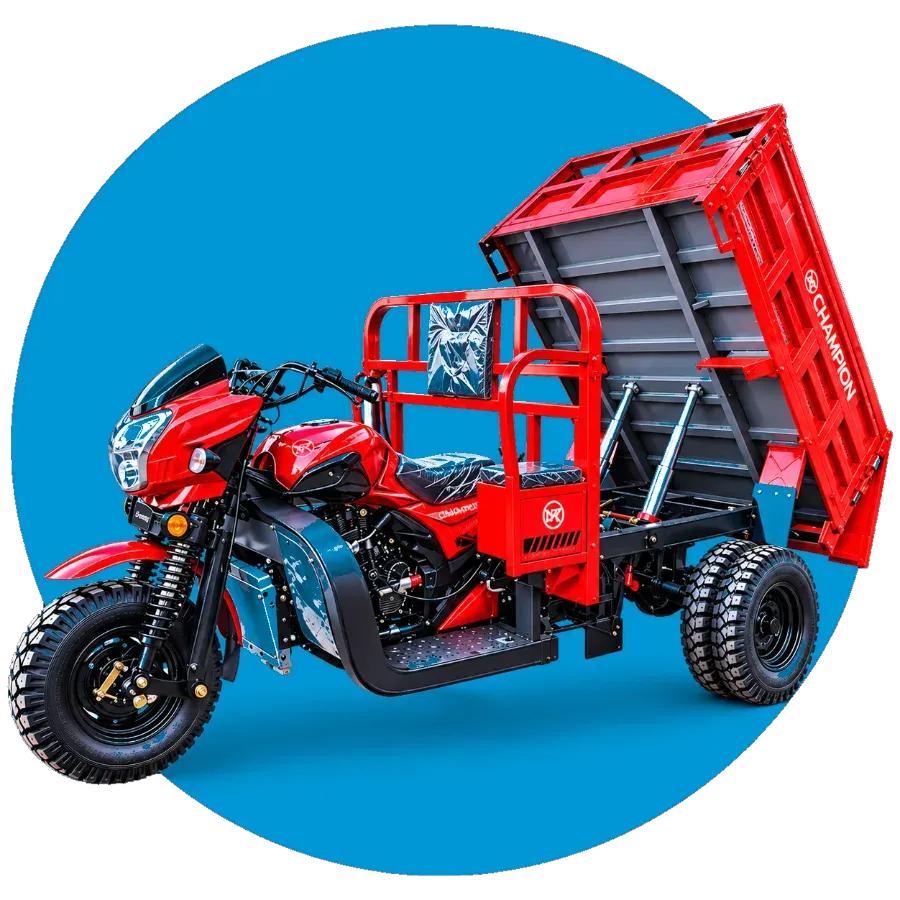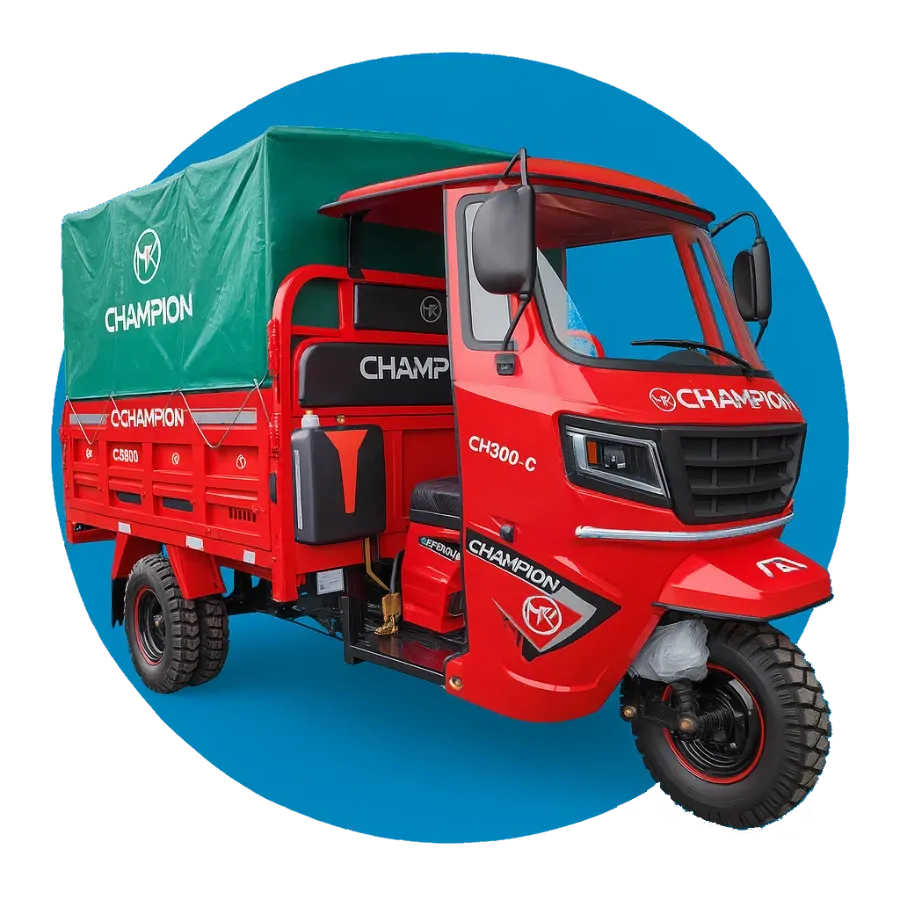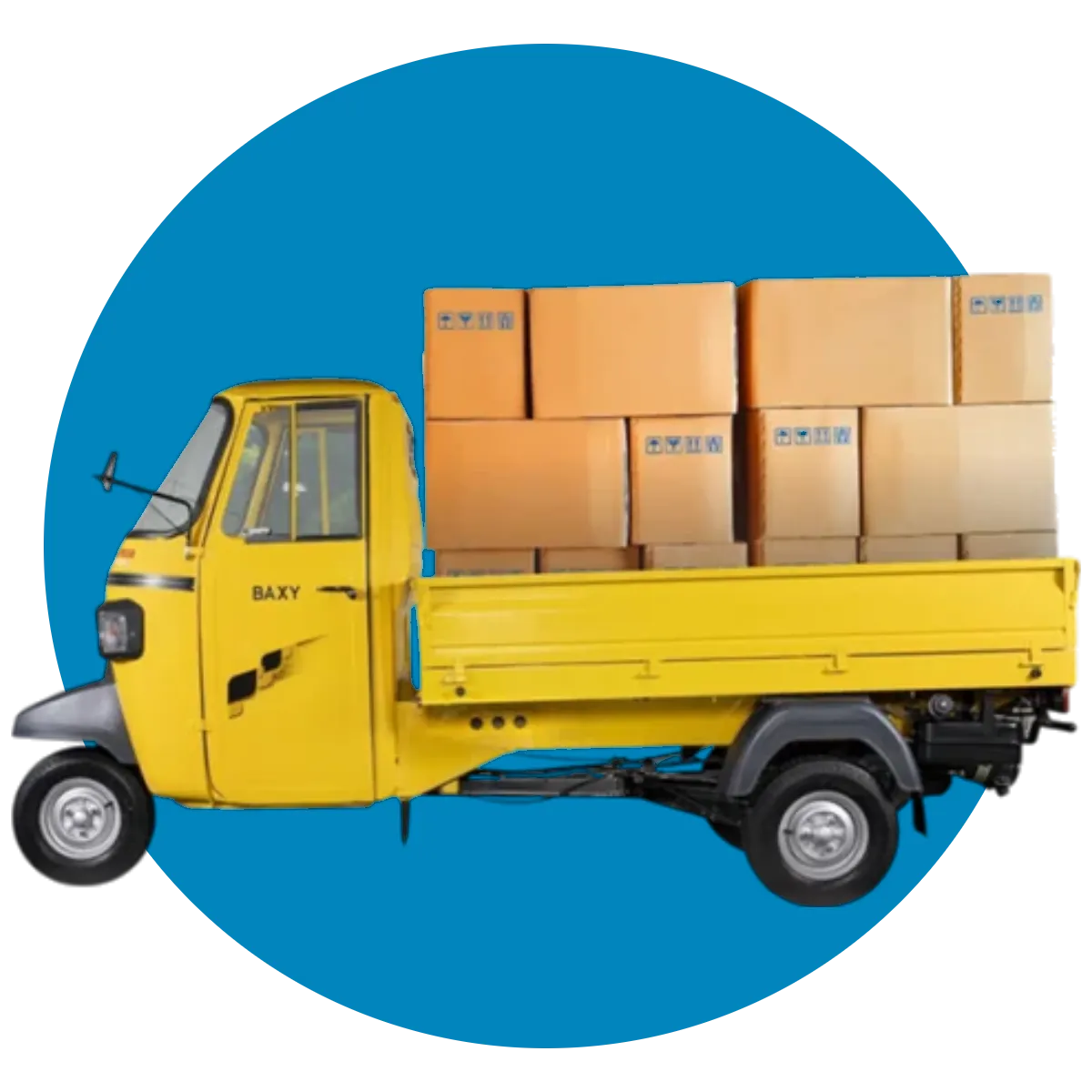
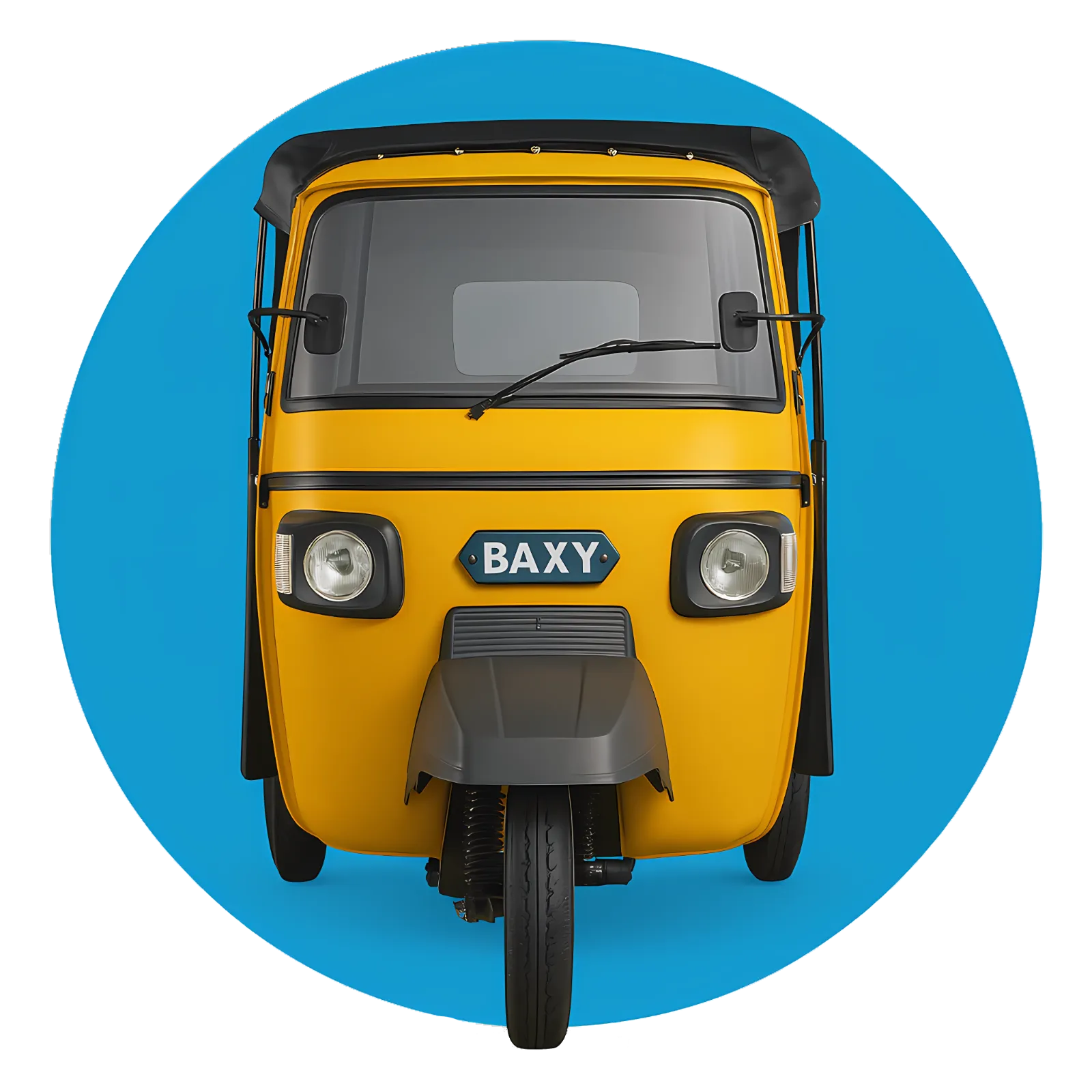
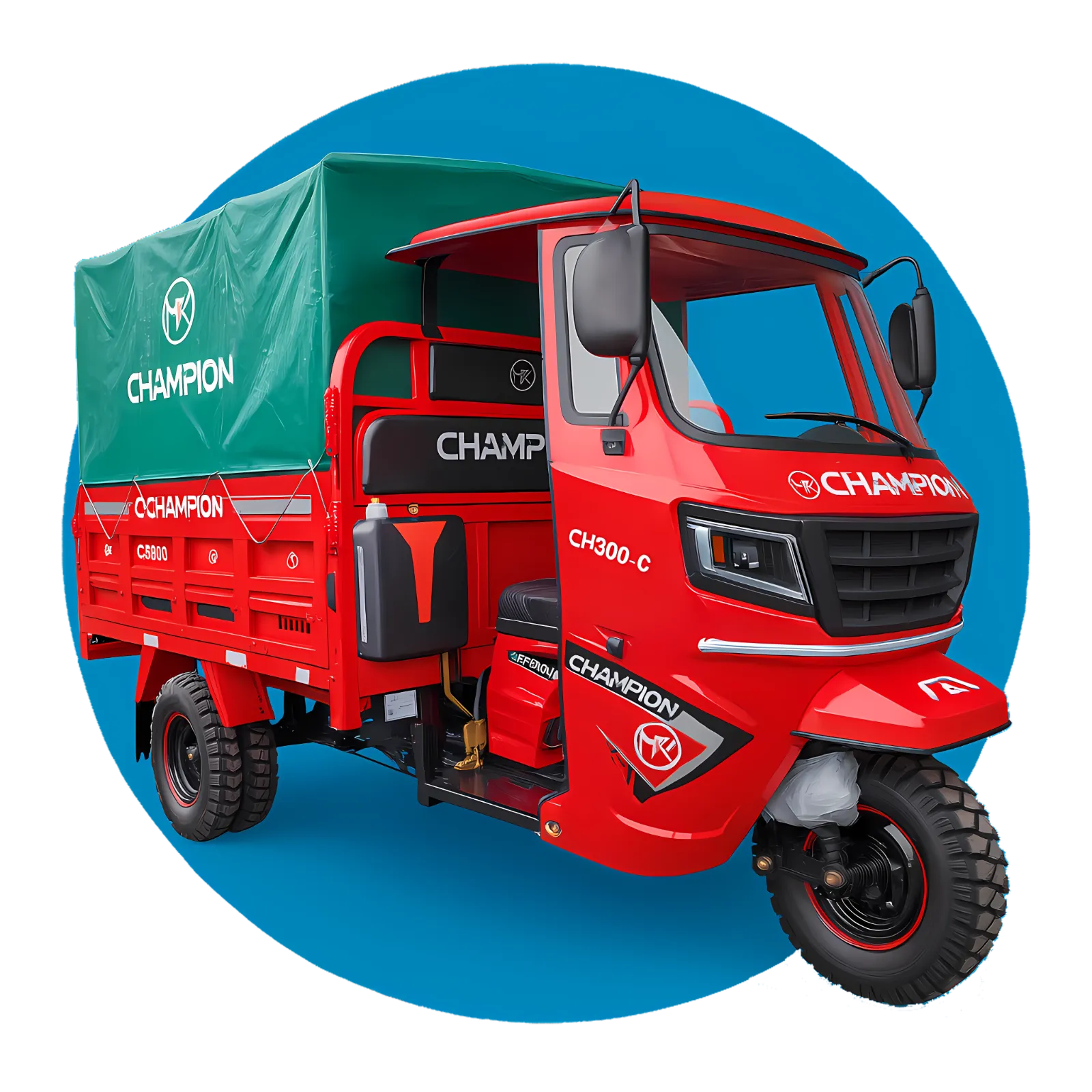
Malindi is a tourist town, a market town and a centre for the farms of northern Kilifi. Tuk-tuks fill the gap between boda bodas and matatus. They are the usual way to get from the bus stage to a hotel, from the market to home, or from Malindi to Watamu. MRL Malindi sells, services and supplies spares for MRL vehicles across Kilifi, Tana River and Lamu counties.
- Passenger work
- Residents, tourists, hotel and guesthouse trips
- Cargo work
- Farm produce, fish, water, building materials
- Models to compare
- Baxy Express, Champion CH200, CH250/T
- Plan for
- Seasonal tourism, sandy roads, salt air
Two calendars for passenger work
Residents use tuk-tuks every day to reach the town centre, the hospital, schools and the market. Tourists arrive in larger numbers around Christmas and during the European summer, and use tuk-tuks between hotels, the beach, the old town and restaurants along the coast road. Watamu, Mambrui and Gede draw visitors too.
Drivers who do well with tourists usually work with a hotel or guesthouse, agree fixed prices for common trips and stay reachable on WhatsApp. In the low season, commuter and private hire work carries the business, so build both customer groups from the start.
Cargo from farms, boats and building sites
Northern Kilifi grows cashew, coconut, mango and vegetables, and fish comes in from the landing sites. Cargo tuk-tuks carry produce from farms to Malindi market, take fish to hotels and restaurants, and restock shops in villages along the Malindi–Garsen and Malindi–Kilifi roads.
Water delivery is steady work in areas without piped supply. Building continues around the town, so a tipper such as the Champion CH250/T finds work moving sand and ballast.
Sand, murram and choosing a model
The main roads are tarmac, but many routes to farms, villages and beach plots are sand or murram. Ground clearance and load handling matter here. The Champion range has 260 to 270 mm of ground clearance and a shaft drive built for heavy loads.
For passengers, the diesel Baxy Express suits long days and trips out to Watamu, where charging is hard to plan. Heat and salt air affect every vehicle at the coast, so wash the vehicle regularly and keep to the service schedule.
Getting on the road in Malindi
A tuk-tuk that carries paying passengers is a public service vehicle. It needs NTSA registration, a PSV licence and commercial PSV insurance, and the driver needs a valid licence for three-wheelers. NTSA expects PSV operators to belong to a registered SACCO or company, and most stages have their own association with its own fees and rules. Cargo tuk-tuks need registration and commercial insurance.
Kilifi County charges for business permits and, in many towns, stage or parking fees. Rules and fees change, so confirm current requirements with NTSA and the Kilifi County offices before you set your budget.
Plan for more than the price of the vehicle. Your first budget should cover registration, insurance, licences, SACCO membership, basic spares, and fuel or charging for the first weeks while you build regular customers.
Driving it yourself or hiring a driver
Some owners drive their own tuk-tuk. Others buy one and employ a driver. If you hire, agree the terms in writing: the daily or weekly amount the driver hands over, who pays for fuel and minor repairs, rest days, and what happens after an accident. Keep service records, because they help if you ever need to make a warranty claim.
Buying and support at MRL Malindi
MRL Malindi is a full MRL branch. You can see vehicles, compare models, buy, book a service and get genuine spares in one place.
Bring your questions about documents and which model suits your work. Financing applications are handled by MRL Finance at mrlfinance.com.
Licensing and permit details are general guidance. Confirm current requirements with NTSA and your county before you buy.