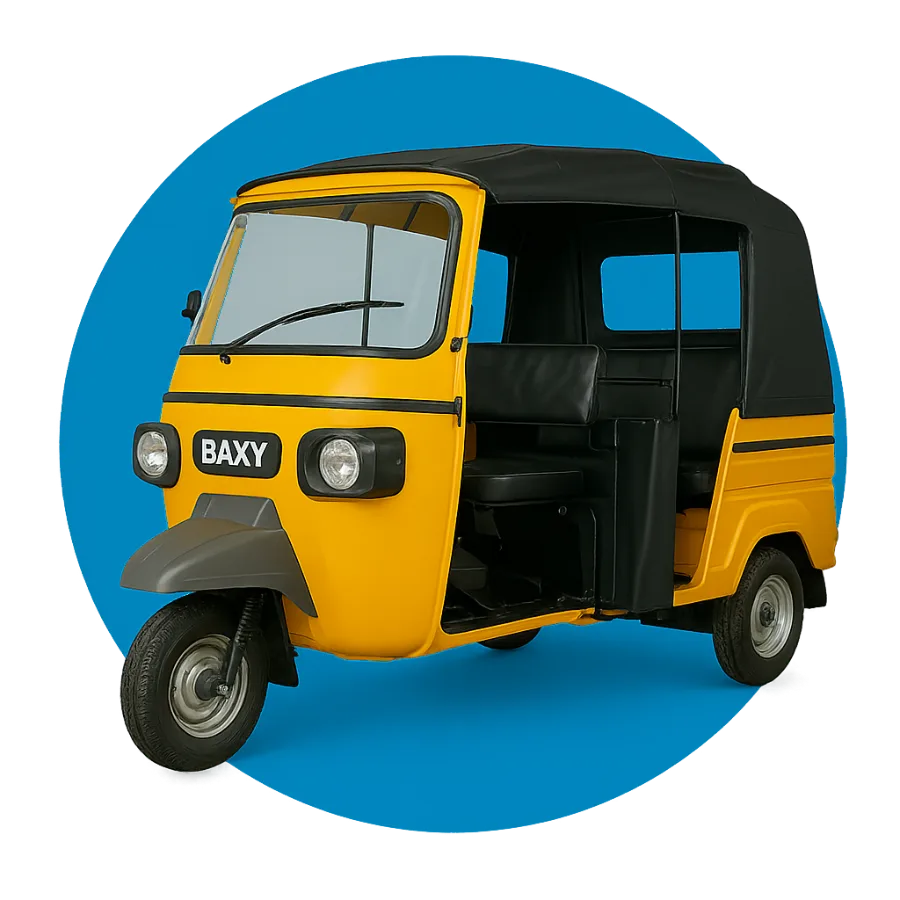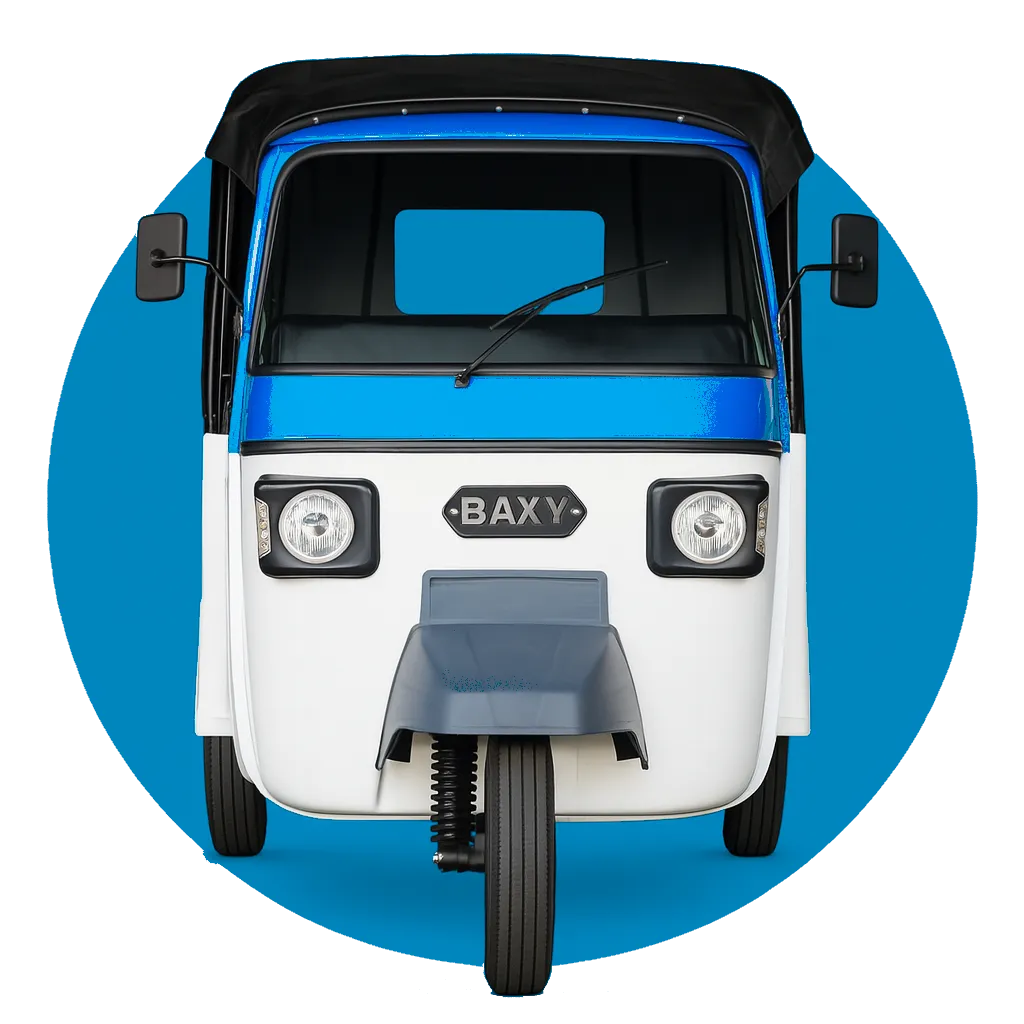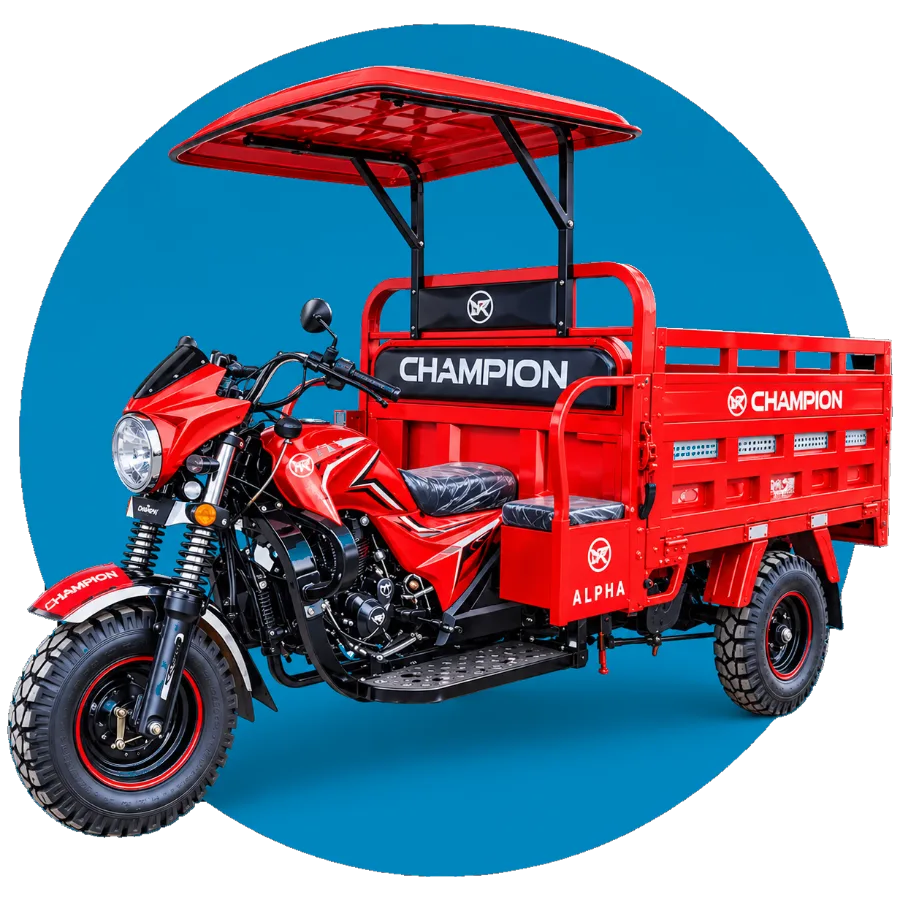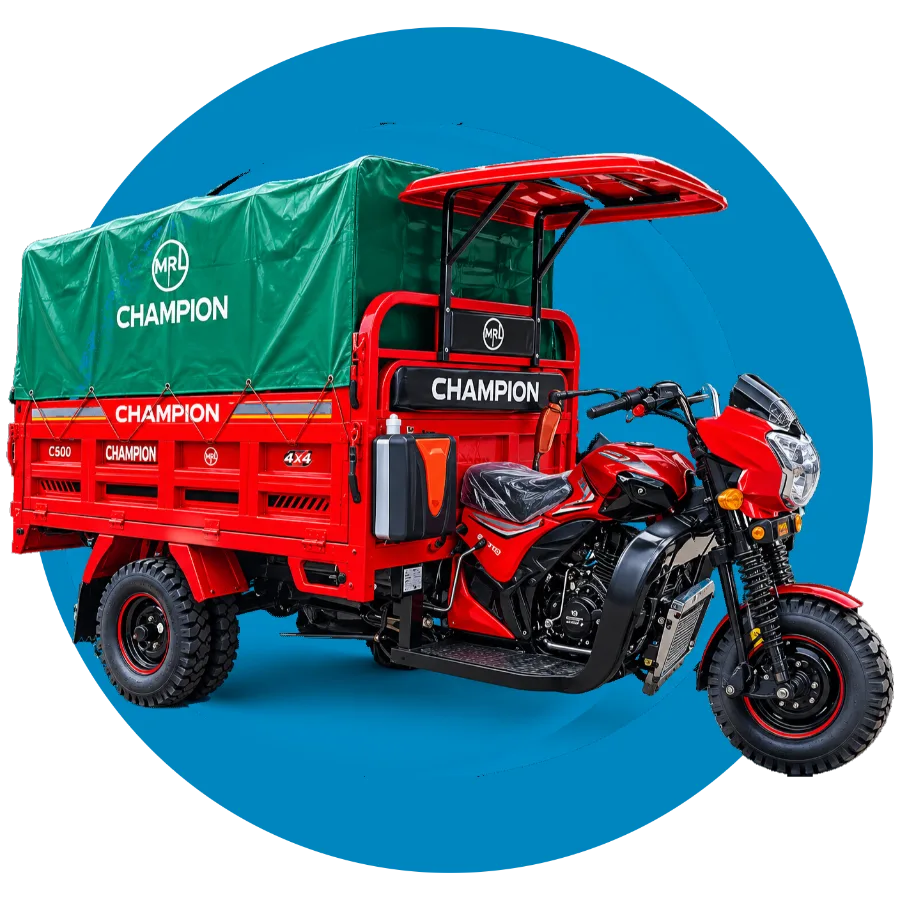
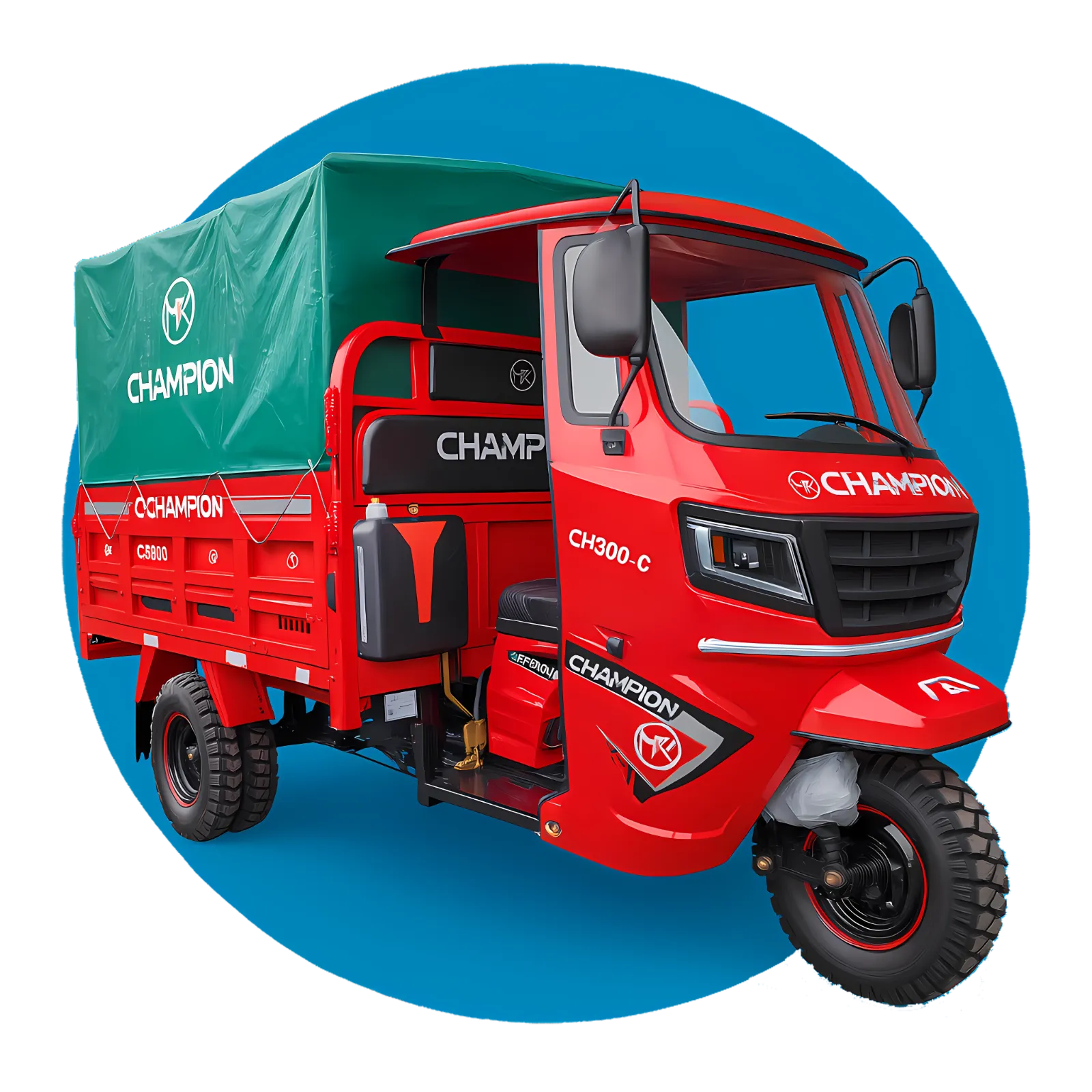
Migori sits on the main road between Kisumu and the Tanzanian border at Isebania. Cross-border trade, farming, small-scale gold mining and a busy town centre keep tuk-tuks working. MRL Migori sells, services and supplies spares for MRL vehicles across Migori, Homa Bay and Kisii counties.
- Passenger work
- Town stages, Rongo and Awendo, Isebania border
- Cargo work
- Farm produce, mining supplies, cross-border goods
- Models to compare
- Champion CH250, CH300, CH250/T
- Plan for
- Highway traffic, rough feeder roads
Where the passenger work is
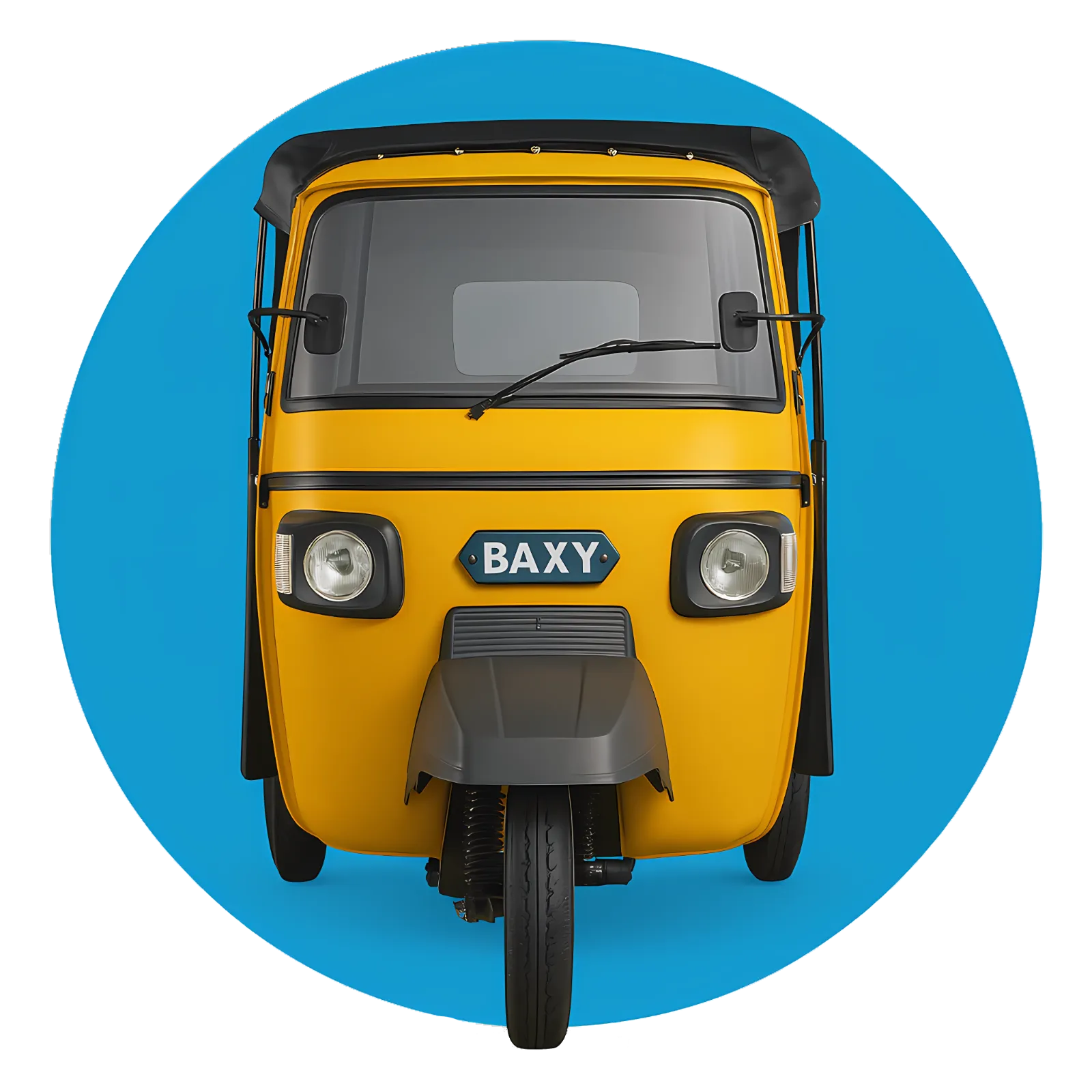
In Migori town, tuk-tuks carry passengers between the bus park, the market, the county referral hospital and estates on the edge of town. Awendo, Rongo and Uriri have their own stages, and Rongo University adds student trips. At Isebania, travellers and traders cross the border on foot and need short rides to the bus stage and markets.
Many passengers in the area also use boda bodas. Tuk-tuks compete on comfort, shelter from rain and room for a family or a passenger with luggage. Drivers who stay at busy points and charge fair, fixed prices build regular customers.
Farm, mining and border cargo
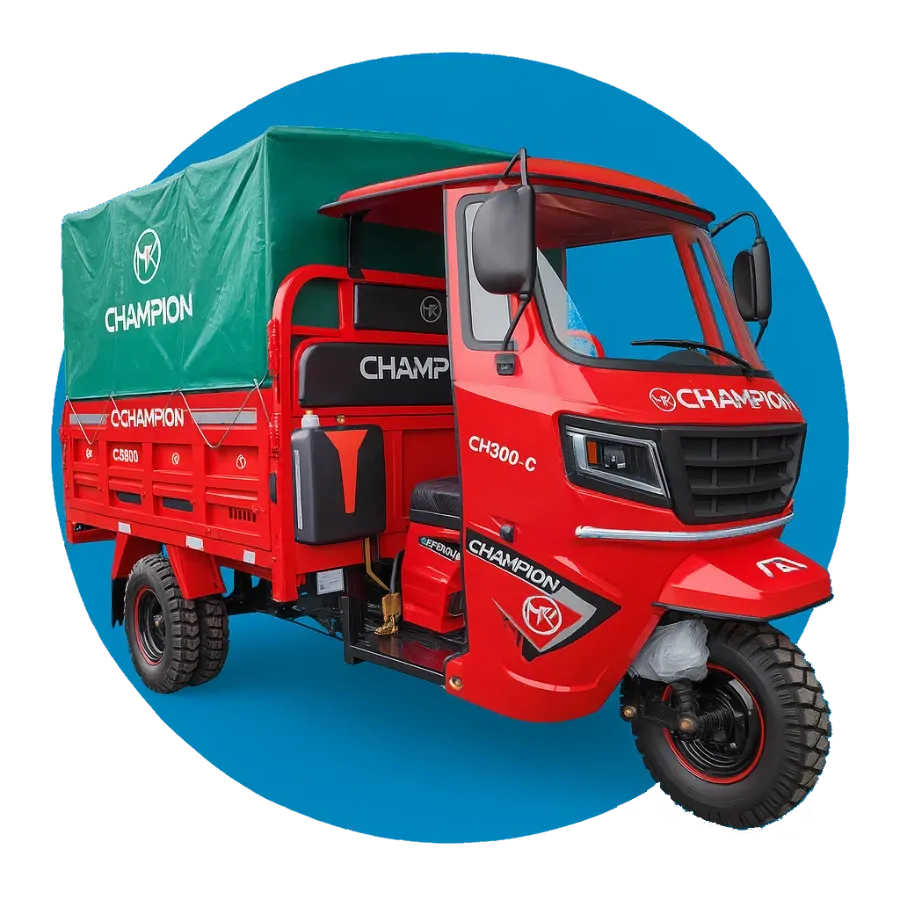
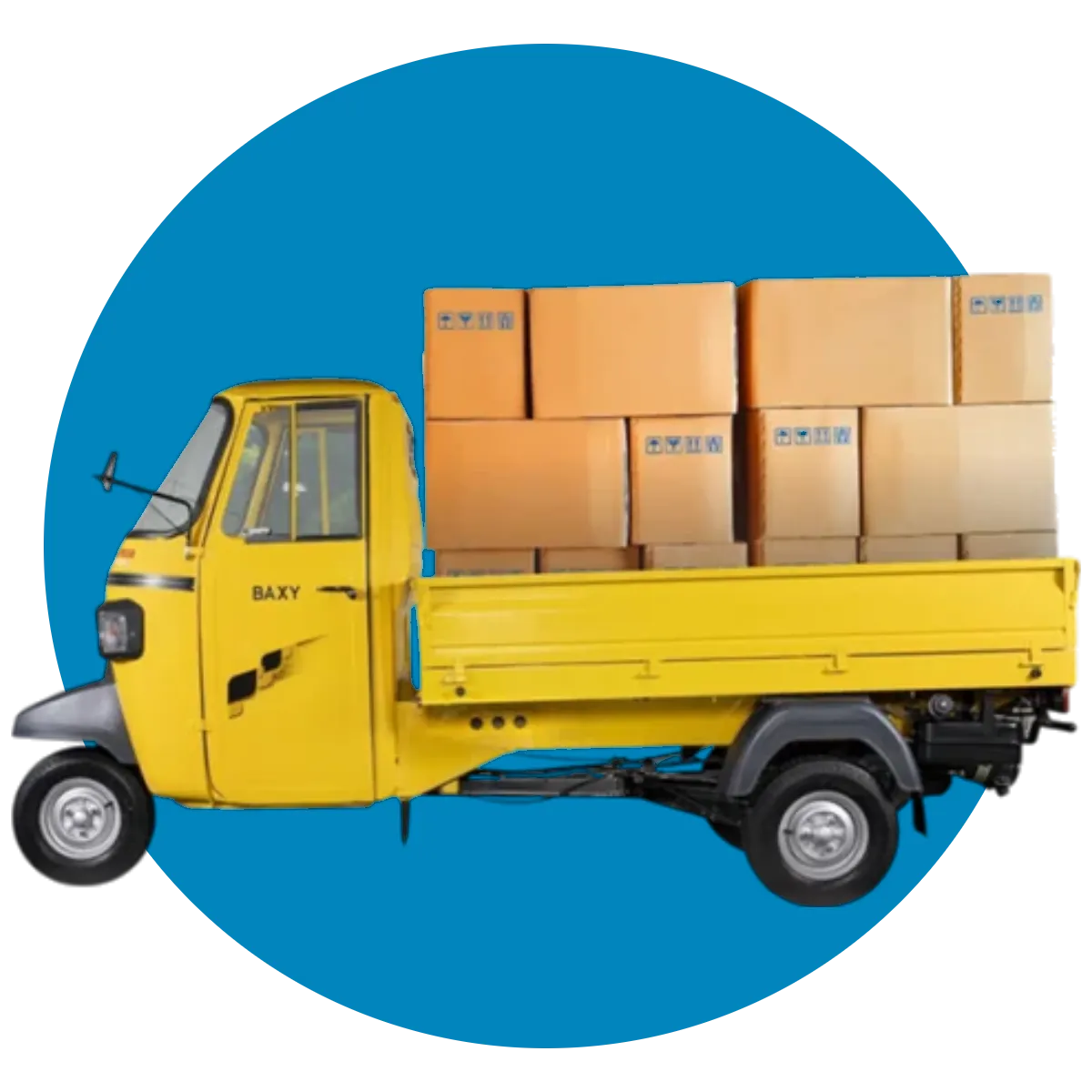
Tobacco, sugarcane, maize and beans are grown across the county, and the sugar factory at Awendo draws traffic. Small-scale gold mining around Macalder and Osiri needs supplies and equipment moved. At Isebania, goods move in both directions across the border, and traders need vehicles for the last few kilometres to shops and stores.
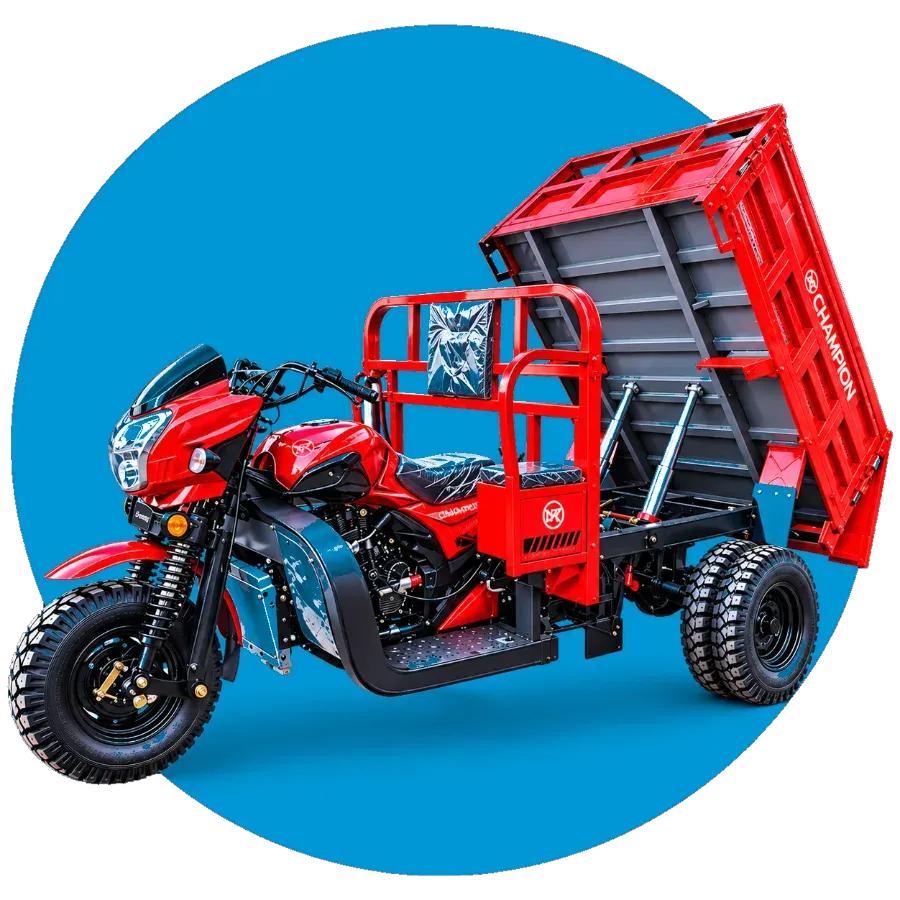
The Champion CH250 and CH300 suit produce and trade loads. For building sites in growing towns, the CH250/T tipper unloads sand and ballast without shovelling.
Highway and feeder roads
The A1 highway through Migori is tarmac and carries heavy truck traffic, so drive defensively and stay visible at night. Feeder roads to farms and mining areas are murram and rough, so choose high ground clearance if your work takes you off the highway.
Plan servicing around the long rains, when mud wears brakes and suspension faster. The spare wheel and 5-ton jack that come with every Champion matter when the nearest garage is far away.
Getting on the road in Migori
A tuk-tuk that carries paying passengers is a public service vehicle. It needs NTSA registration, a PSV licence and commercial PSV insurance, and the driver needs a valid licence for three-wheelers. NTSA expects PSV operators to belong to a registered SACCO or company, and most stages have their own association with its own fees and rules. Cargo tuk-tuks need registration and commercial insurance.
Migori County charges for business permits and, in many towns, stage or parking fees. Rules and fees change, so confirm current requirements with NTSA and the Migori County offices before you set your budget.
Plan for more than the price of the vehicle. Your first budget should cover registration, insurance, licences, SACCO membership, basic spares, and fuel or charging for the first weeks while you build regular customers.
Driving it yourself or hiring a driver
Some owners drive their own tuk-tuk. Others buy one and employ a driver. If you hire, agree the terms in writing: the daily or weekly amount the driver hands over, who pays for fuel and minor repairs, rest days, and what happens after an accident. Keep service records, because they help if you ever need to make a warranty claim.
Buying and support at MRL Migori
MRL Migori is a full MRL branch. You can see vehicles, compare models, buy, book a service and get genuine spares in one place.
Bring your questions about documents and which model suits your work. Financing applications are handled by MRL Finance at mrlfinance.com.
Licensing and permit details are general guidance. Confirm current requirements with NTSA and your county before you buy.