Nandi County is a green, hilly highland known for tea and for producing many of Kenya's top runners. Kapsabet is the county headquarters, and Nandi Hills is the centre of the tea estates. Mosoriot and Kobujoi are smaller trading centres. Tuk-tuks carry people and produce on the short routes between farms and towns.
- Passenger work
- Kapsabet town routes, Nandi Hills, market days
- Cargo work
- Tea, milk, maize, shop stock
- Models to compare
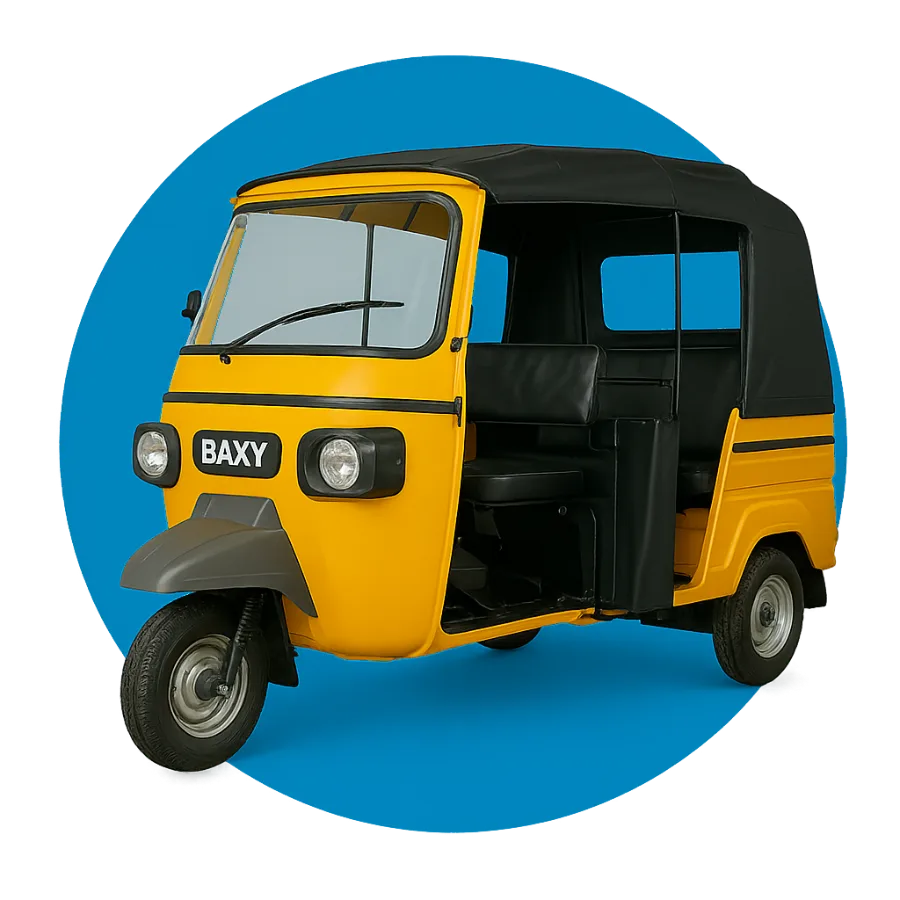
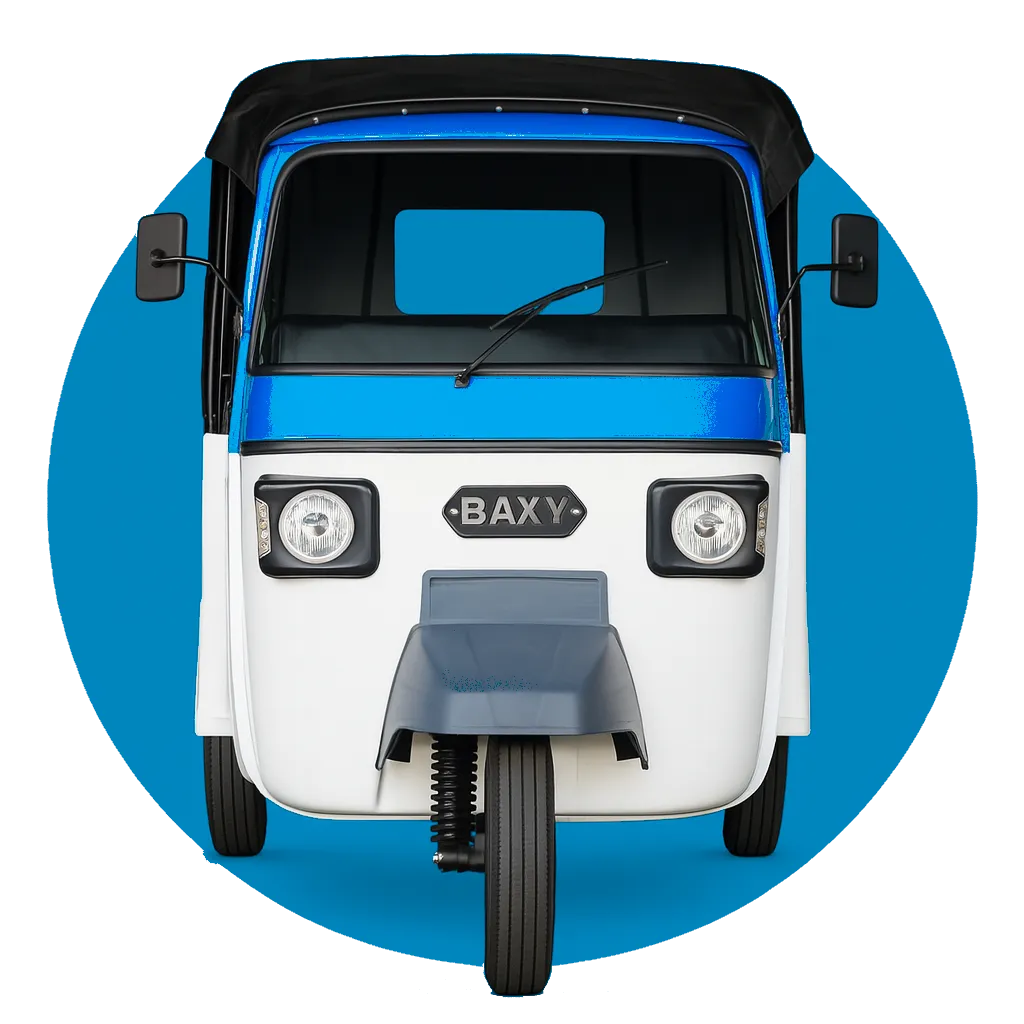
- Champion CH250, CH300, Baxy Express
- Plan for
- Hills, frequent rain
Where the passenger work is
In Kapsabet, tuk-tuks carry passengers between the stage, the market, the hospital, schools and the estates. Nandi Hills has workers travelling to tea estates and factories, with early-morning and evening peaks. Market days in Mosoriot and other centres draw traders from the farms.
Tea, milk and maize
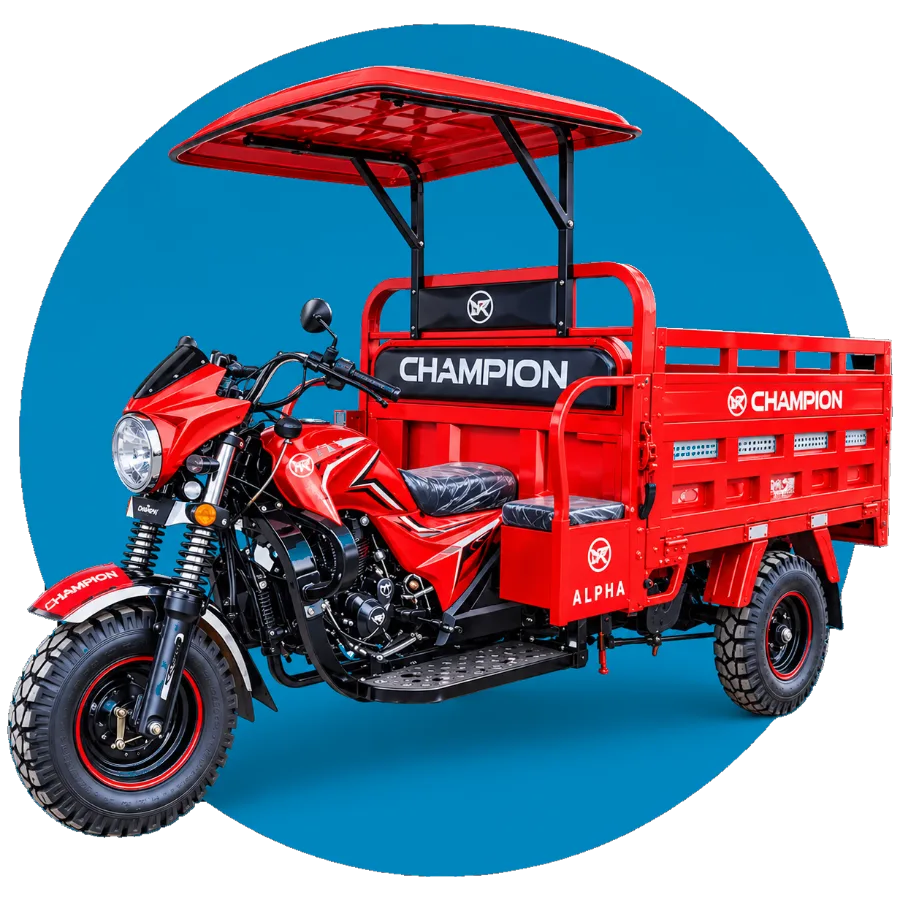
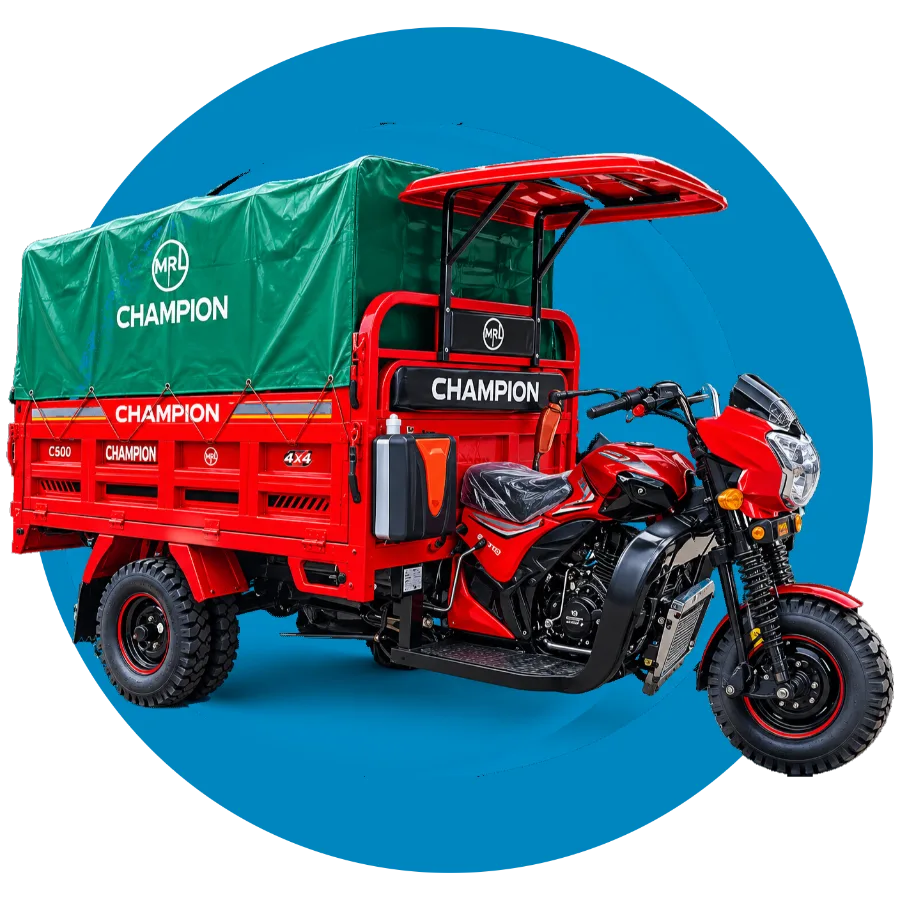
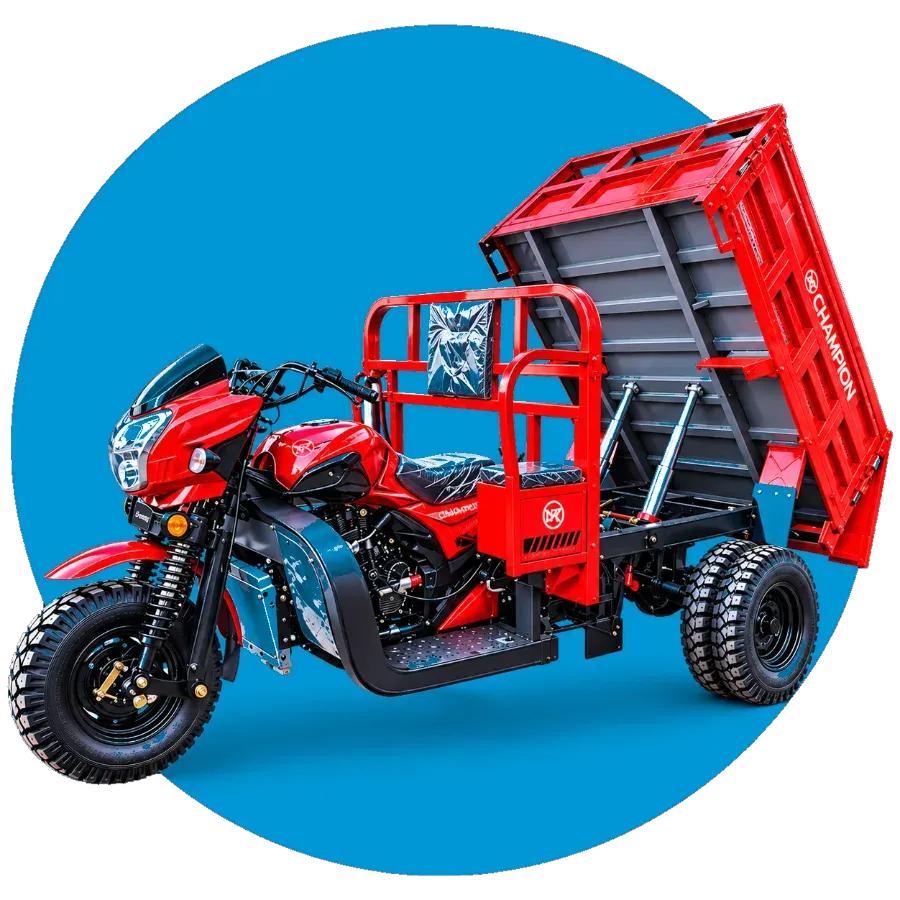
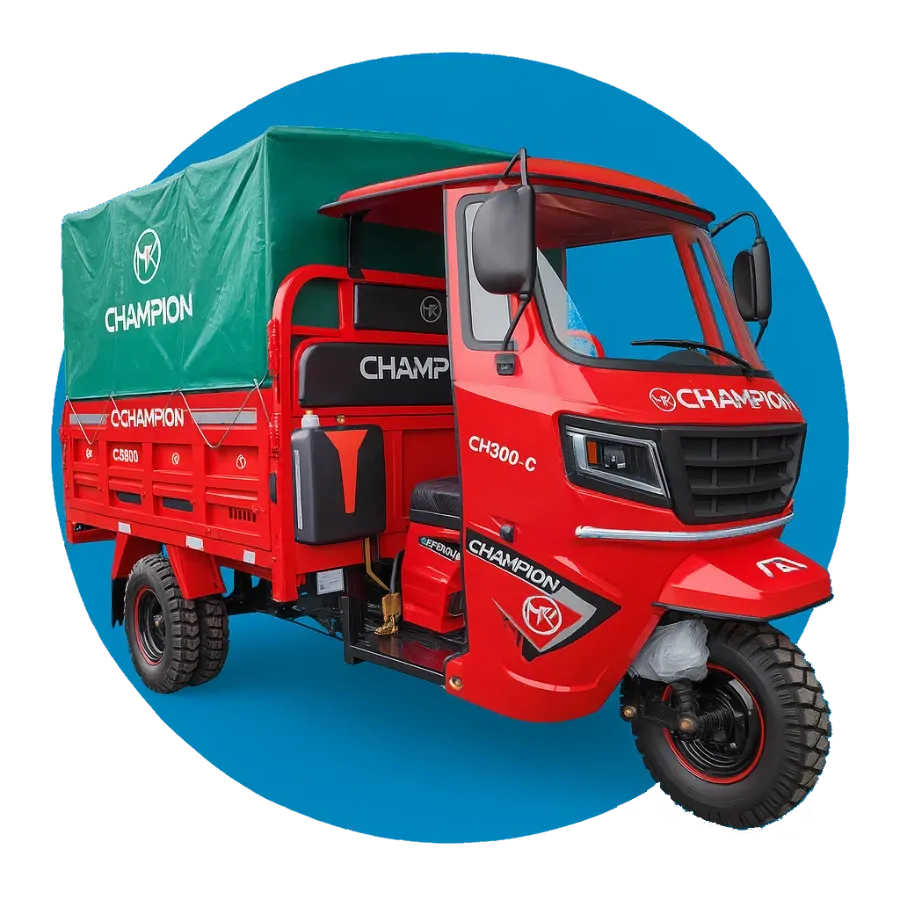
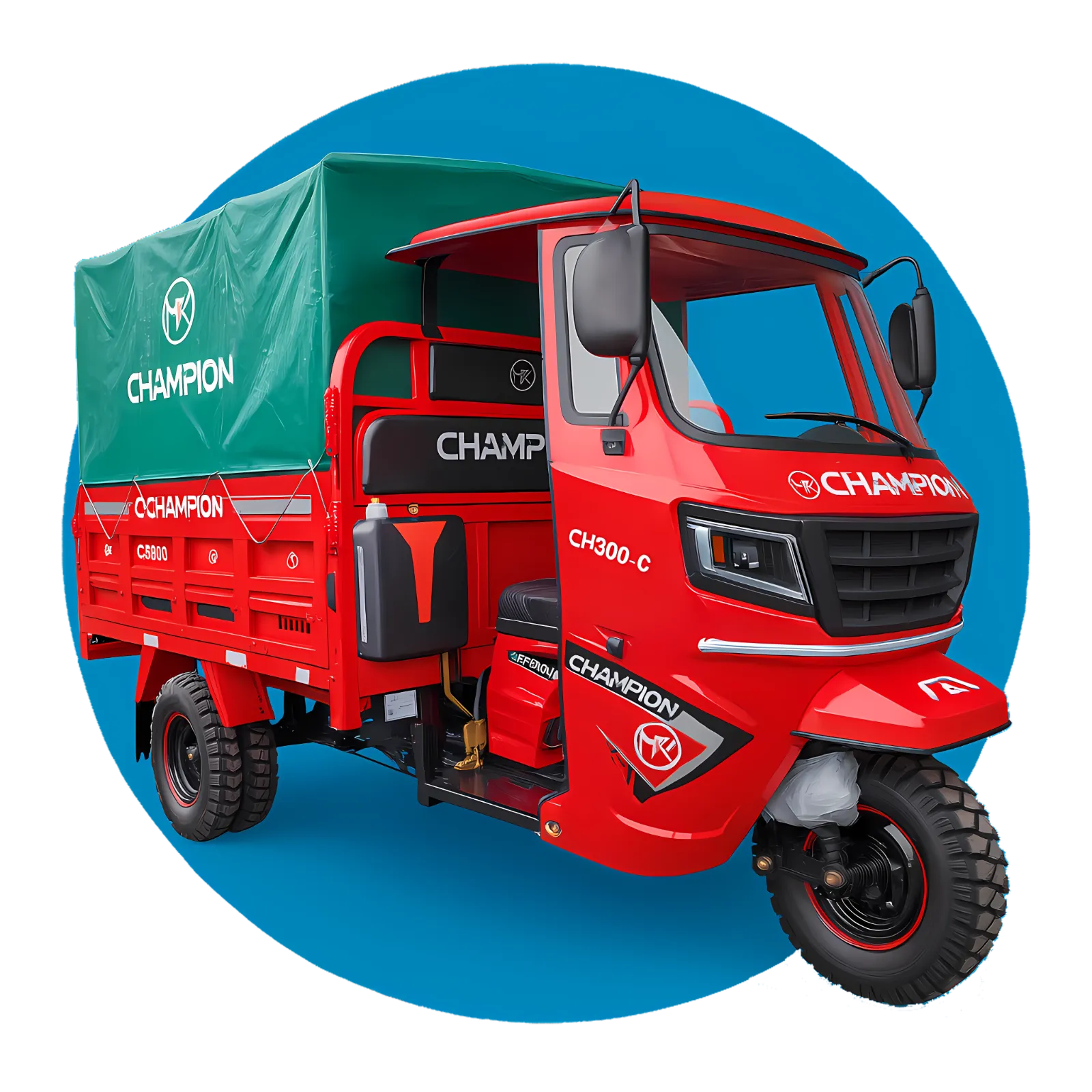
Tea is grown on large estates and small farms, and leaf moves from farms to collection centres and factories. Dairy farmers need milk taken to collection points every morning. Maize and vegetables are grown widely and moved to markets. The Champion CH250 and CH300 suit these daily runs.
Hills and rain
Nandi is hilly and gets frequent rain. Murram roads to farms get slippery, so ground clearance, good tyres and strong brakes matter. The Champion CH300 has an enclosed cab, which keeps the driver dry. Check brakes and electrics regularly during the rains.
Choosing your first tuk-tuk in Nandi County
Start by deciding whether you will carry people or goods. In Nandi County, passenger work centres on Kapsabet town routes, Nandi Hills, market days, while cargo work centres on tea, milk, maize, shop stock. Many owners pick the side of the trade they already know, or where they have regular customers lined up.
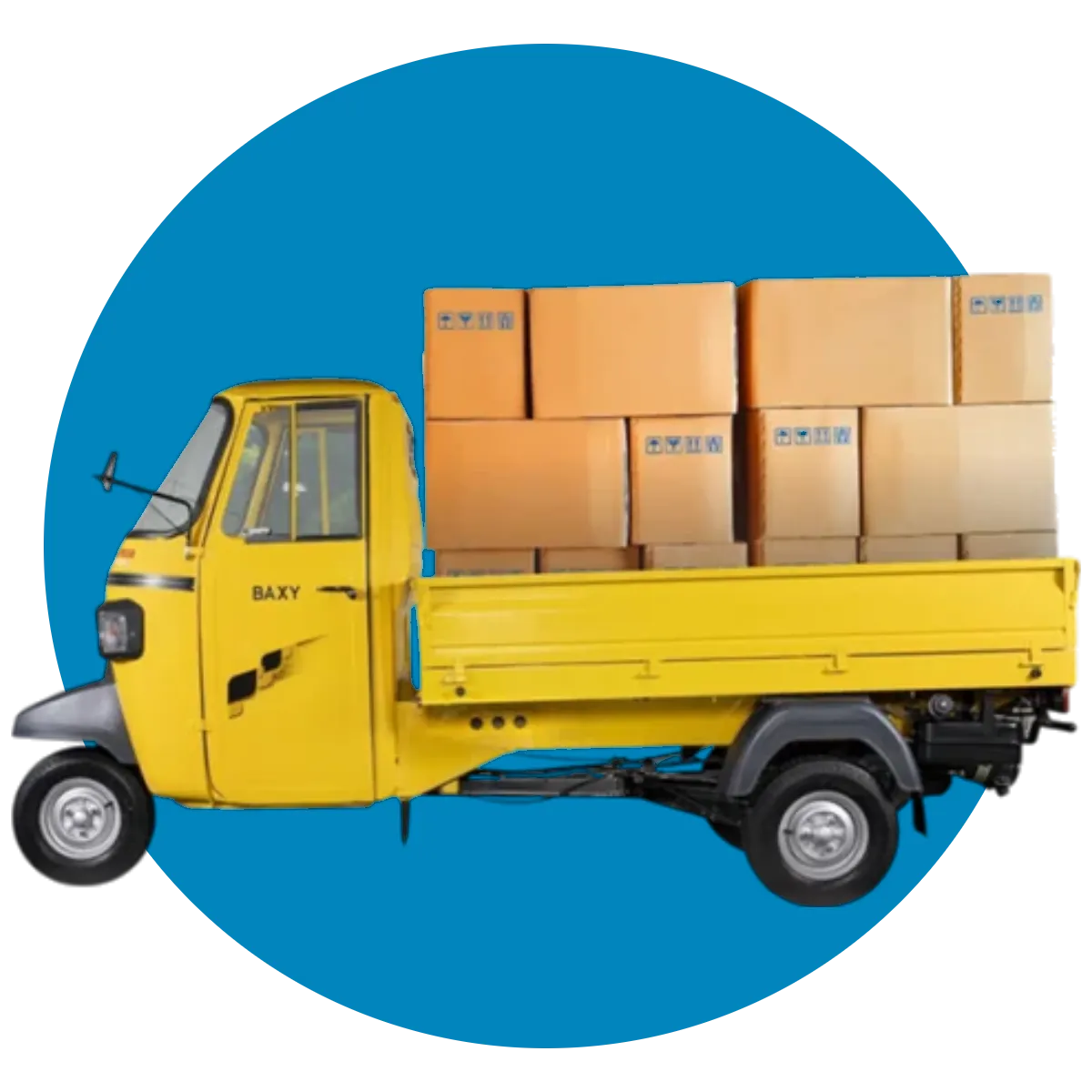
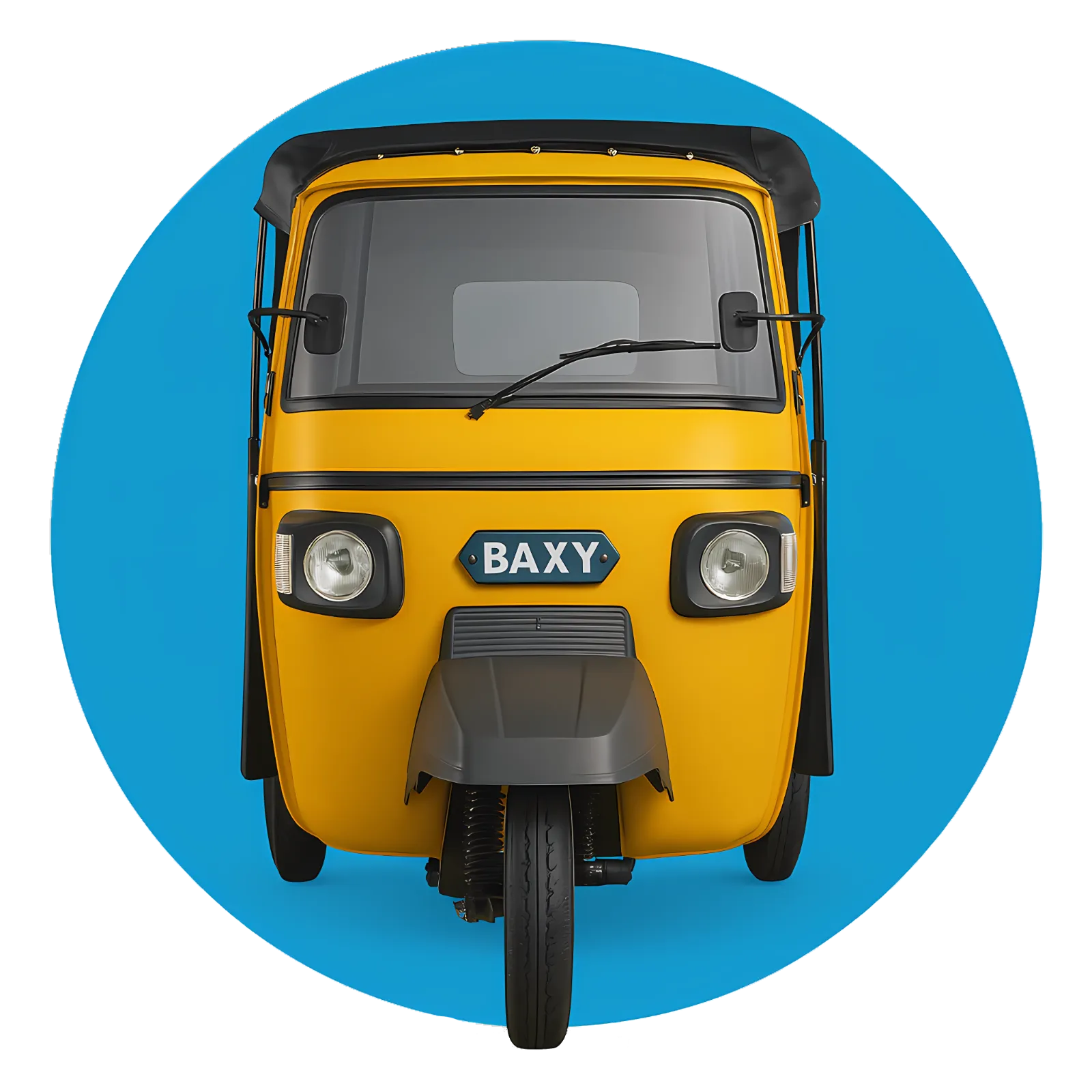
For local conditions, the models to compare first are Champion CH250, CH300, Baxy Express. Each vehicle page shows the cash price and key specs, and the comparison page puts them side by side. Before you buy, ask the branch about running costs, spares and which model other owners in your area use.
Getting on the road in Nandi County
A tuk-tuk that carries paying passengers is a public service vehicle. It needs NTSA registration, a PSV licence and commercial PSV insurance, and the driver needs a valid licence for three-wheelers. NTSA expects PSV operators to belong to a registered SACCO or company, and most stages have their own association with its own fees and rules. Cargo tuk-tuks need registration and commercial insurance.
Nandi County charges for business permits and, in many towns, stage or parking fees. Rules and fees change, so confirm current requirements with NTSA and the Nandi County offices before you set your budget.
Plan for more than the price of the vehicle. Your first budget should cover registration, insurance, licences, SACCO membership, basic spares, and fuel or charging for the first weeks while you build regular customers.
Driving it yourself or hiring a driver
Some owners drive their own tuk-tuk. Others buy one and employ a driver. If you hire, agree the terms in writing: the daily or weekly amount the driver hands over, who pays for fuel and minor repairs, rest days, and what happens after an accident. Keep service records, because they help if you ever need to make a warranty claim.
Your nearest MRL location
The nearest MRL location to Nandi County is MRL Kakamega in Kakamega, Kakamega County. It is a full MRL branch for sales, servicing, genuine spares and warranty support. Call or WhatsApp before you travel to confirm stock and colour, and ask which spares are worth keeping with you if you work far from the branch.
Bring your questions about documents and which model suits your work. Financing applications are handled by MRL Finance at mrlfinance.com.
Licensing and permit details are general guidance. Confirm current requirements with NTSA and your county before you buy.