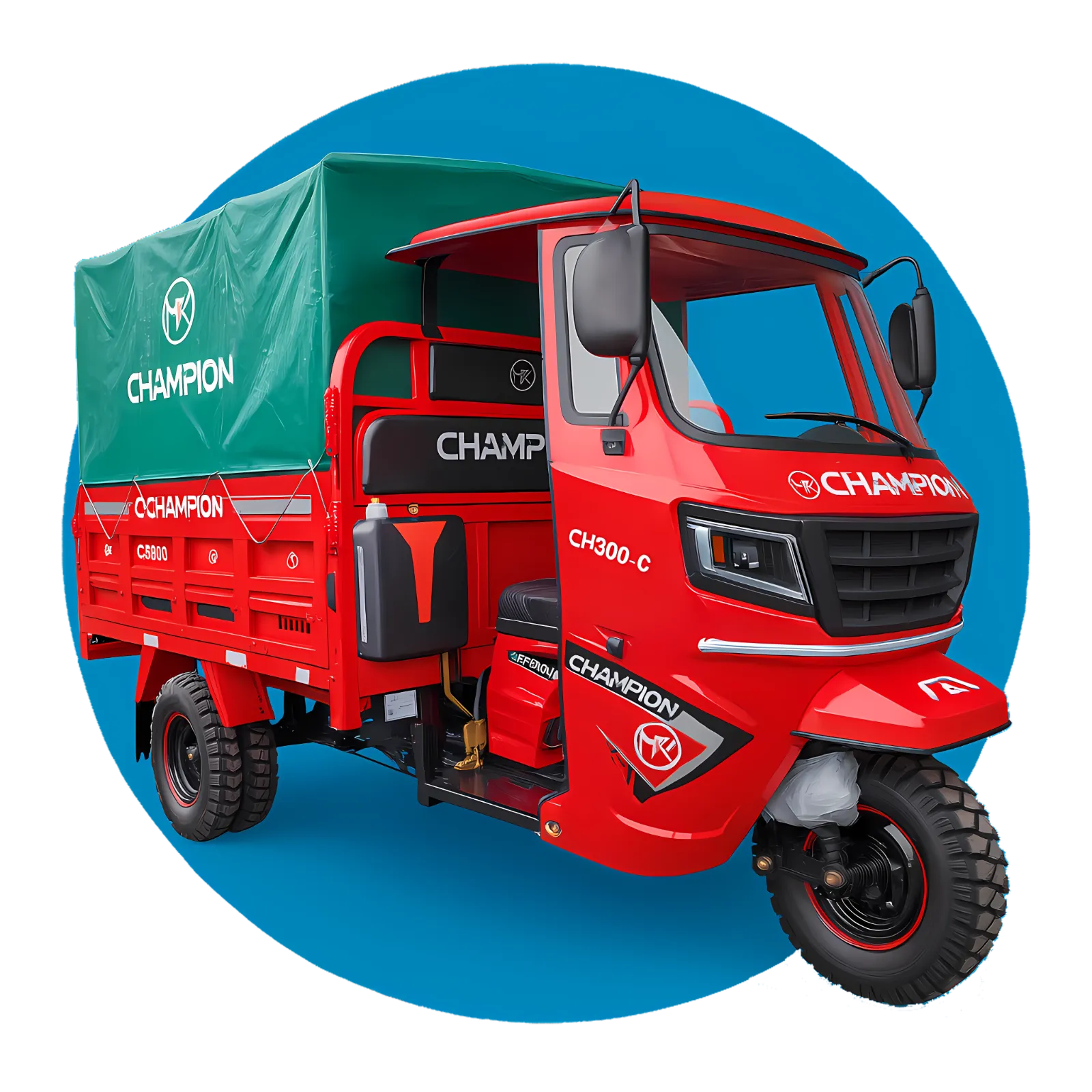
Kakamega is a county headquarters and a university town, surrounded by sugarcane and maize farms. Its tuk-tuk trade serves students, shoppers and the farming villages around town. MRL Kakamega sells, services and supplies spares for MRL vehicles across Kakamega, Uasin Gishu, Nandi, Elgeyo-Marakwet, Baringo and Turkana counties.
- Passenger work
- University students, town routes, village centres
- Cargo work
- Sugarcane belt produce, farm inputs, building
- Models to compare
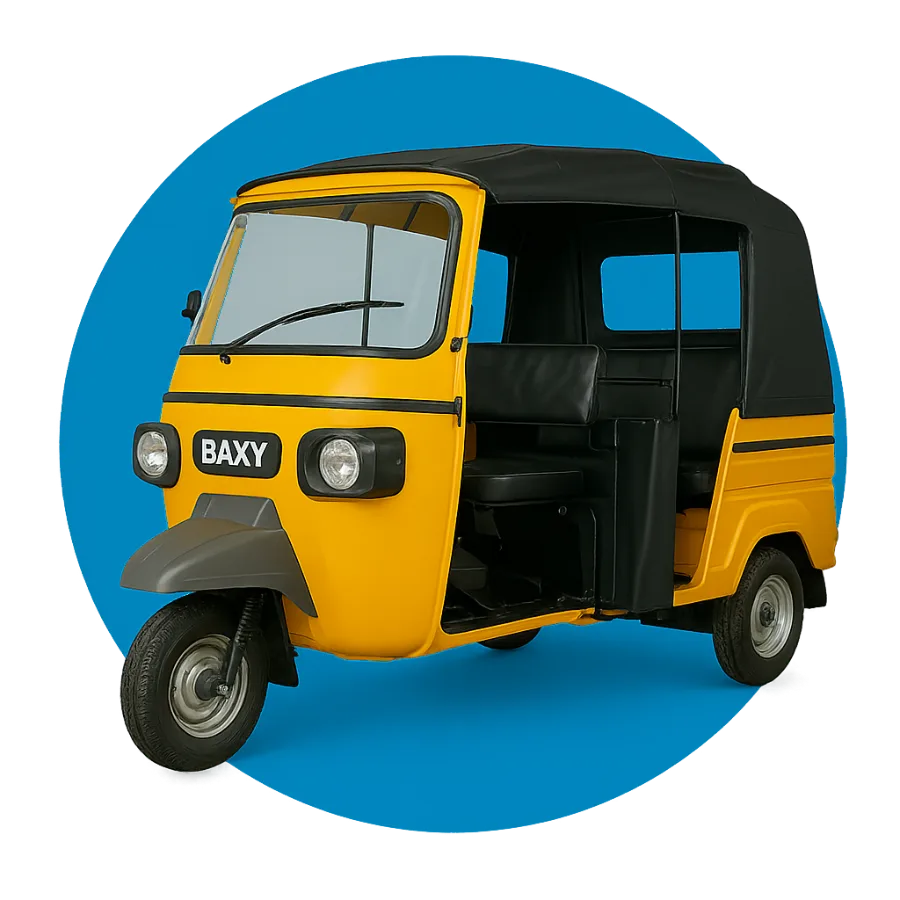
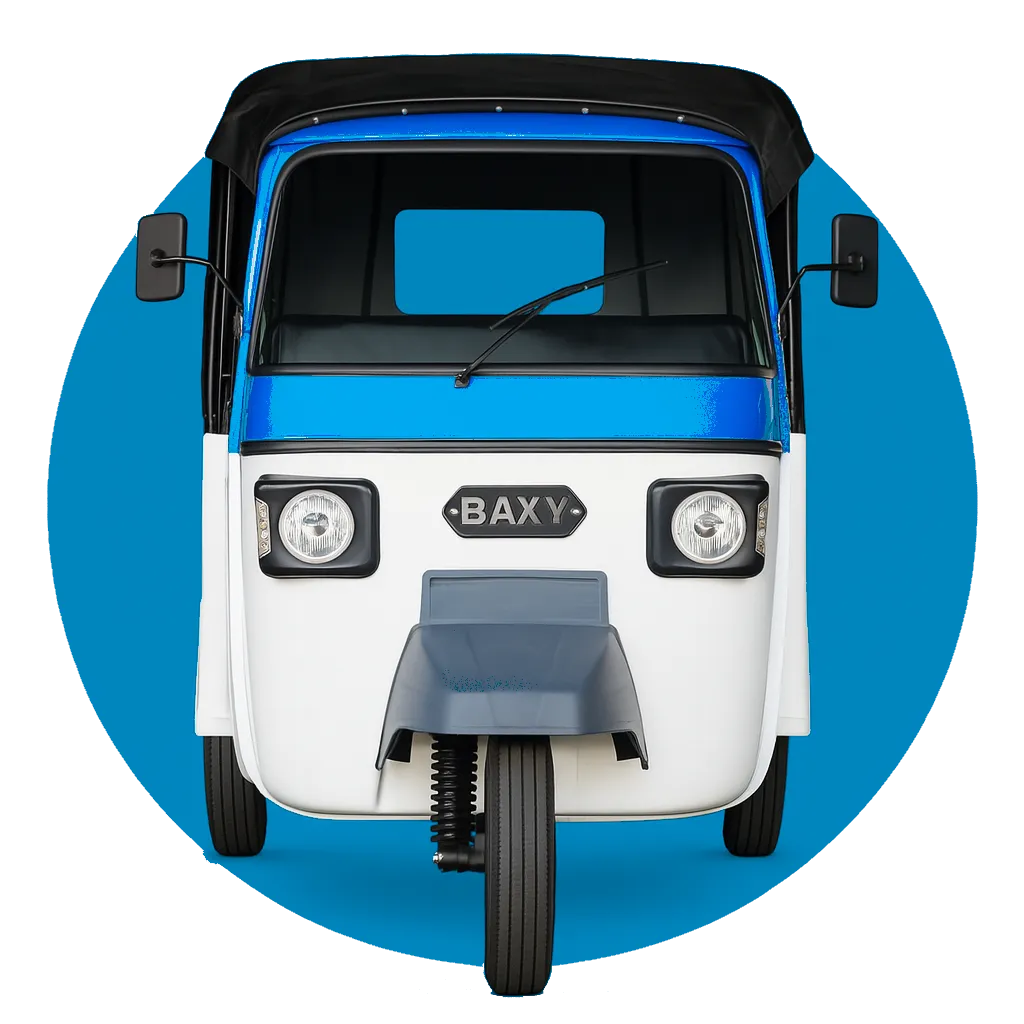
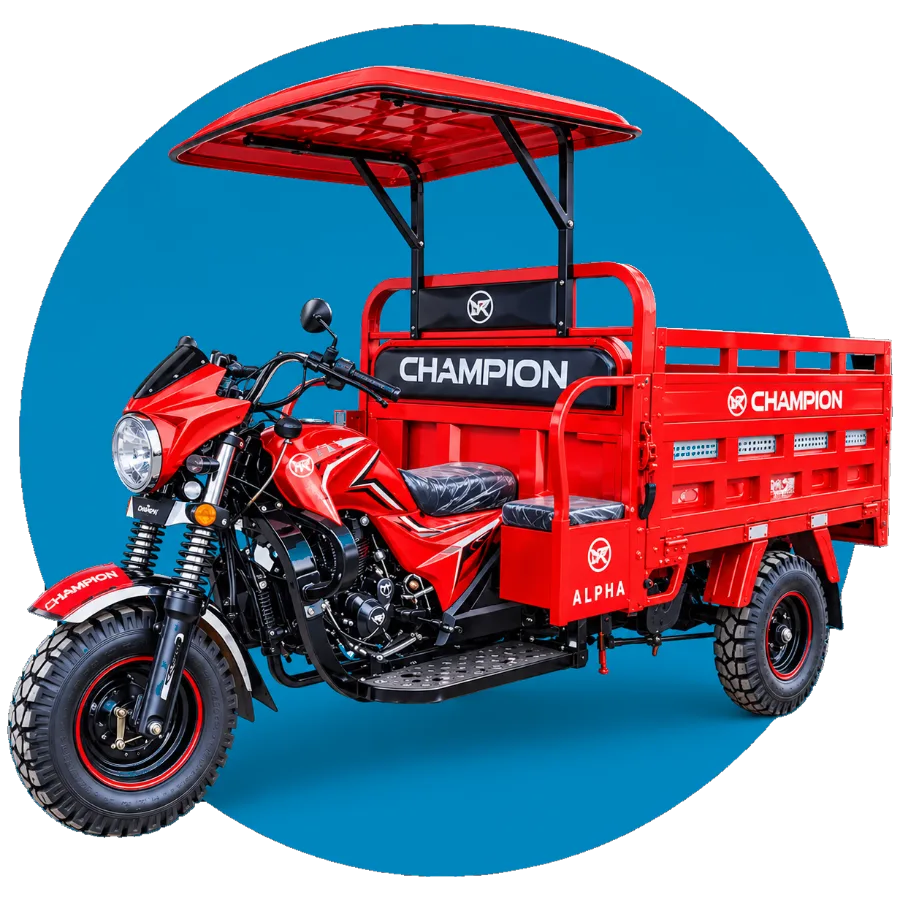
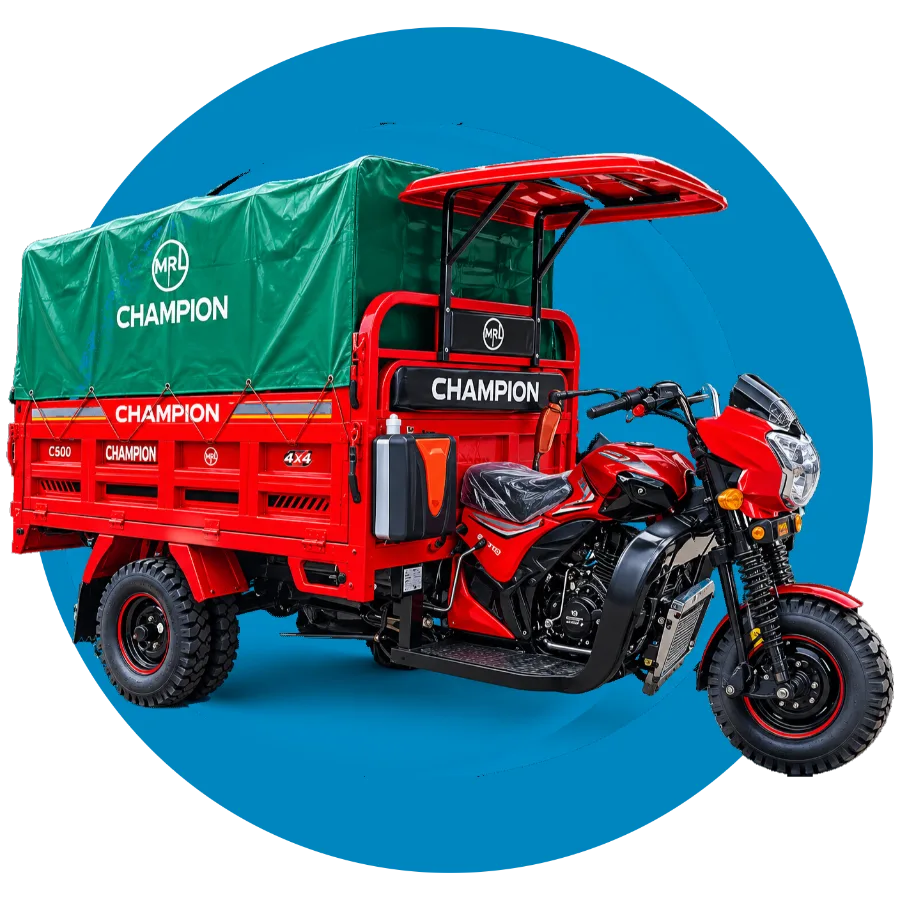
- Champion CH250, CH250/T, Baxy Super King
- Plan for
- Rain in most months, soft murram roads
Students, town and village routes
Masinde Muliro University of Science and Technology (MMUST) is the biggest single source of passenger trips in Kakamega. Students move between hostels in areas such as Lurambi and Amalemba, the campus and town. The county referral hospital, the main market, the bus park and government offices keep trips steady through the week. Kakamega Forest, a short drive from town, draws weekend visitors.
In Mumias, Butere and Malava, tuk-tuks run between market centres and the surrounding villages on routes too short for matatus.
Cargo across the sugar belt
Sugarcane is the main cash crop in Kakamega County, and farming families also grow maize, beans and vegetables. Cargo tuk-tuks carry produce to markets in Kakamega, Mumias and Malava, bring fertiliser and seed back to farms, and restock shops in small centres. In town, hardware stores and builders need materials moved as new hostels and homes go up around the university.
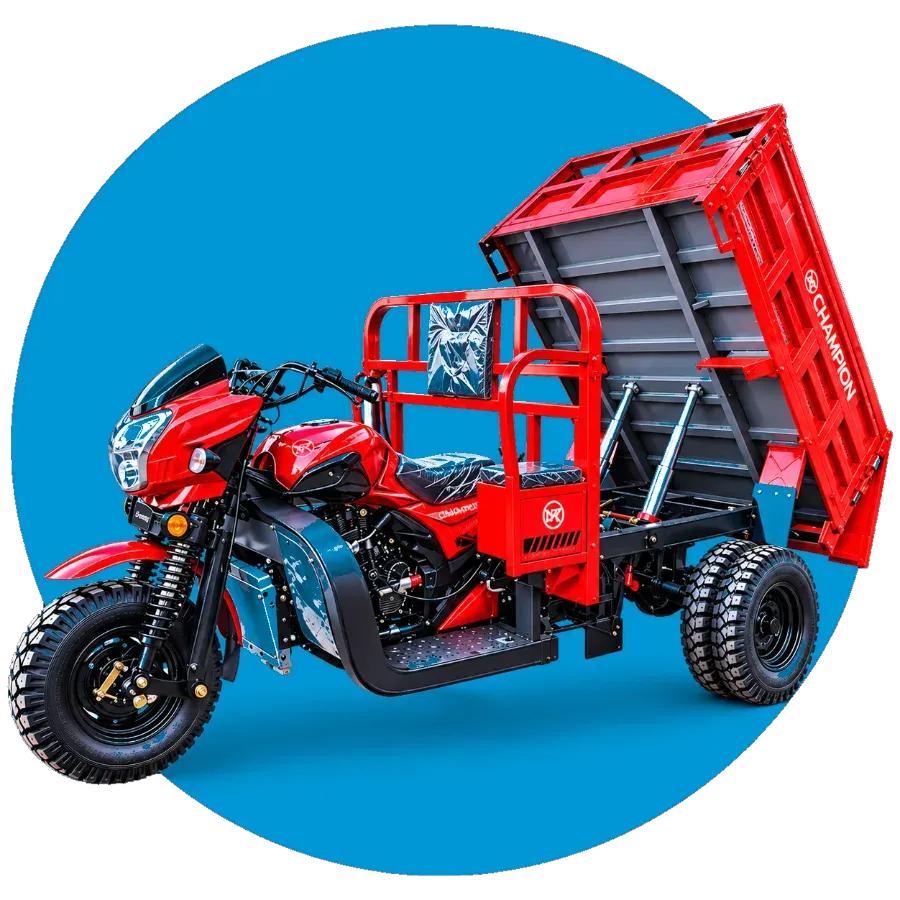
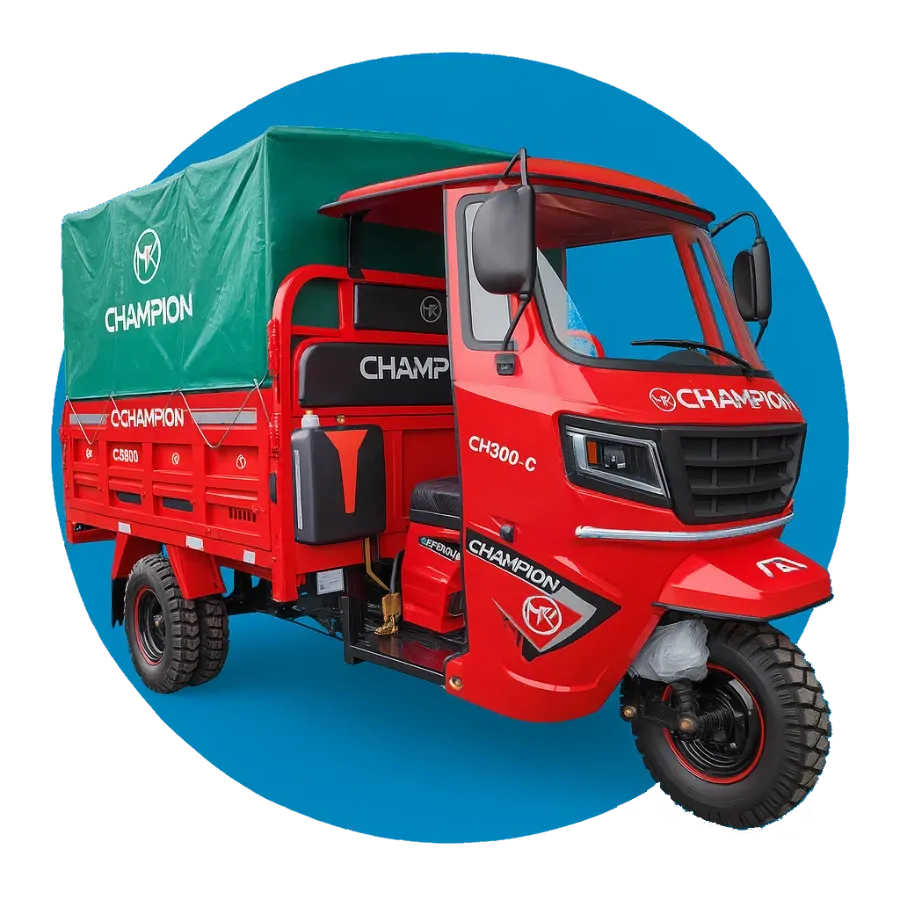
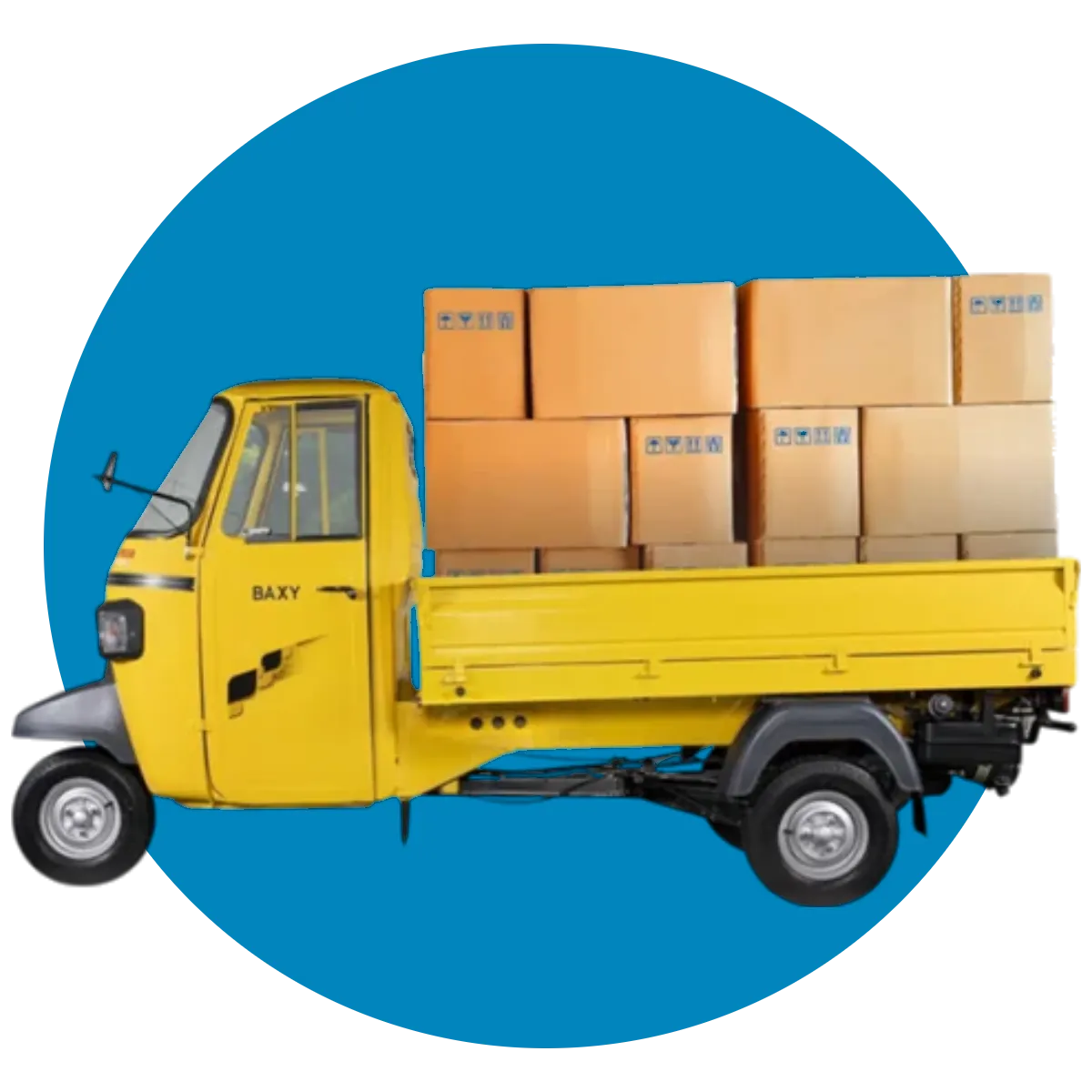
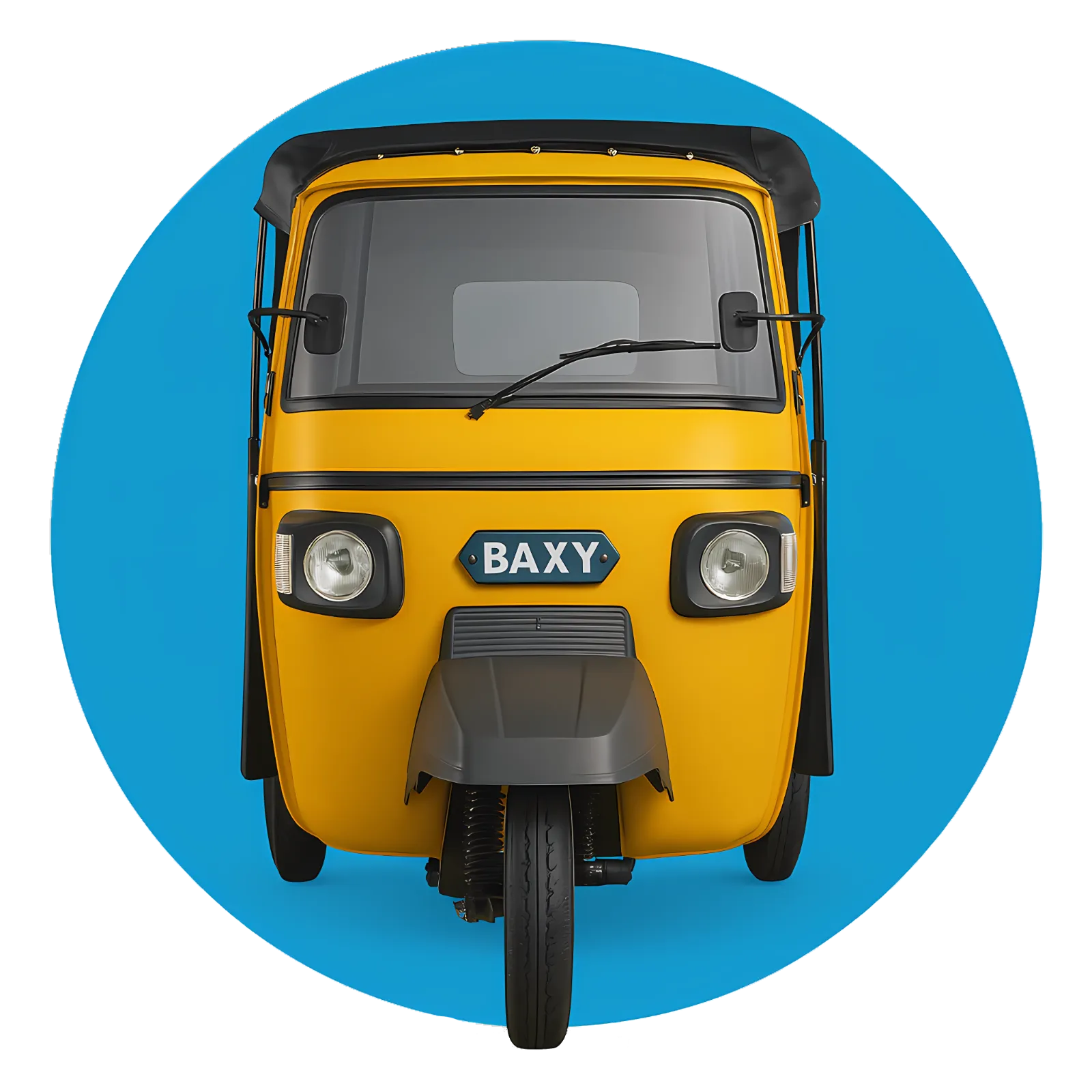
The Champion CH250 covers produce runs and the CH250/T tipper suits building work. For bulky goods over longer distances, compare the diesel Baxy Super King.
Working in the rain
Kakamega gets rain in most months of the year, and murram roads turn slippery and soft quickly. A cargo tuk-tuk with high ground clearance, good tyres and a strong rear axle suits farm routes better than a low passenger model.
For passenger work, choose a vehicle that keeps your customers dry. Check brakes and electrics often during the rainy months.
Getting on the road in Kakamega
A tuk-tuk that carries paying passengers is a public service vehicle. It needs NTSA registration, a PSV licence and commercial PSV insurance, and the driver needs a valid licence for three-wheelers. NTSA expects PSV operators to belong to a registered SACCO or company, and most stages have their own association with its own fees and rules. Cargo tuk-tuks need registration and commercial insurance.
Kakamega County charges for business permits and, in many towns, stage or parking fees. Rules and fees change, so confirm current requirements with NTSA and the Kakamega County offices before you set your budget.
Plan for more than the price of the vehicle. Your first budget should cover registration, insurance, licences, SACCO membership, basic spares, and fuel or charging for the first weeks while you build regular customers.
Driving it yourself or hiring a driver
Some owners drive their own tuk-tuk. Others buy one and employ a driver. If you hire, agree the terms in writing: the daily or weekly amount the driver hands over, who pays for fuel and minor repairs, rest days, and what happens after an accident. Keep service records, because they help if you ever need to make a warranty claim.
Buying and support at MRL Kakamega
MRL Kakamega is a full MRL branch. You can see vehicles, compare models, buy, book a service and get genuine spares in one place.
Bring your questions about documents and which model suits your work. Financing applications are handled by MRL Finance at mrlfinance.com.
Licensing and permit details are general guidance. Confirm current requirements with NTSA and your county before you buy.