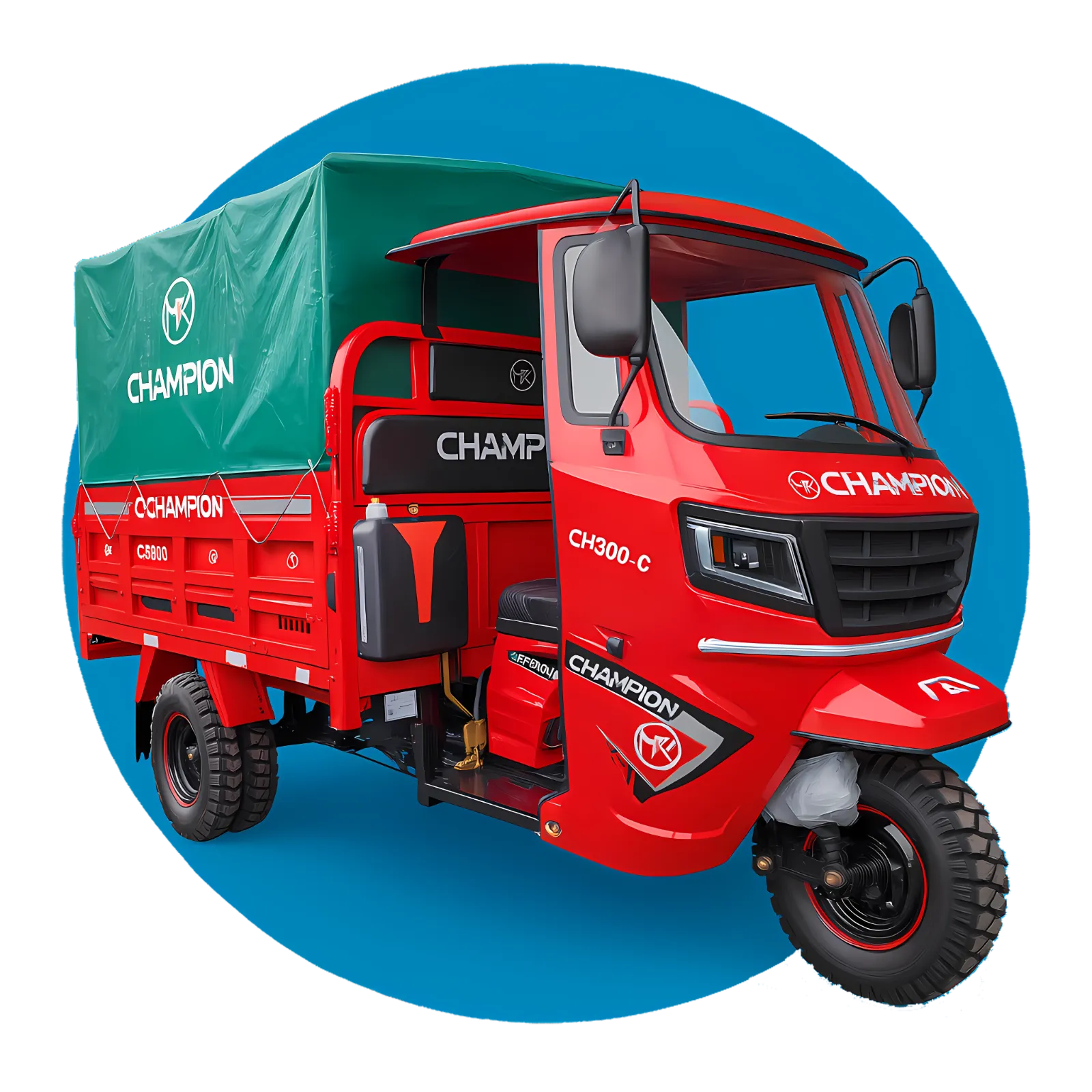
Tuk-tuks are part of everyday transport in Mombasa. They carry commuters from the estates to the island, shoppers to Kongowea and Marikiti markets, and visitors around Old Town and the North Coast hotels. MRL's head office and hub is on Lamumba Road, where vehicles are assembled and quality-checked before they go out to branches across Kenya.
- Passenger work
- Commuter stages, private hire, hotel transfers
- Cargo work
- Market produce, wholesale restocking, building materials
- Models to compare
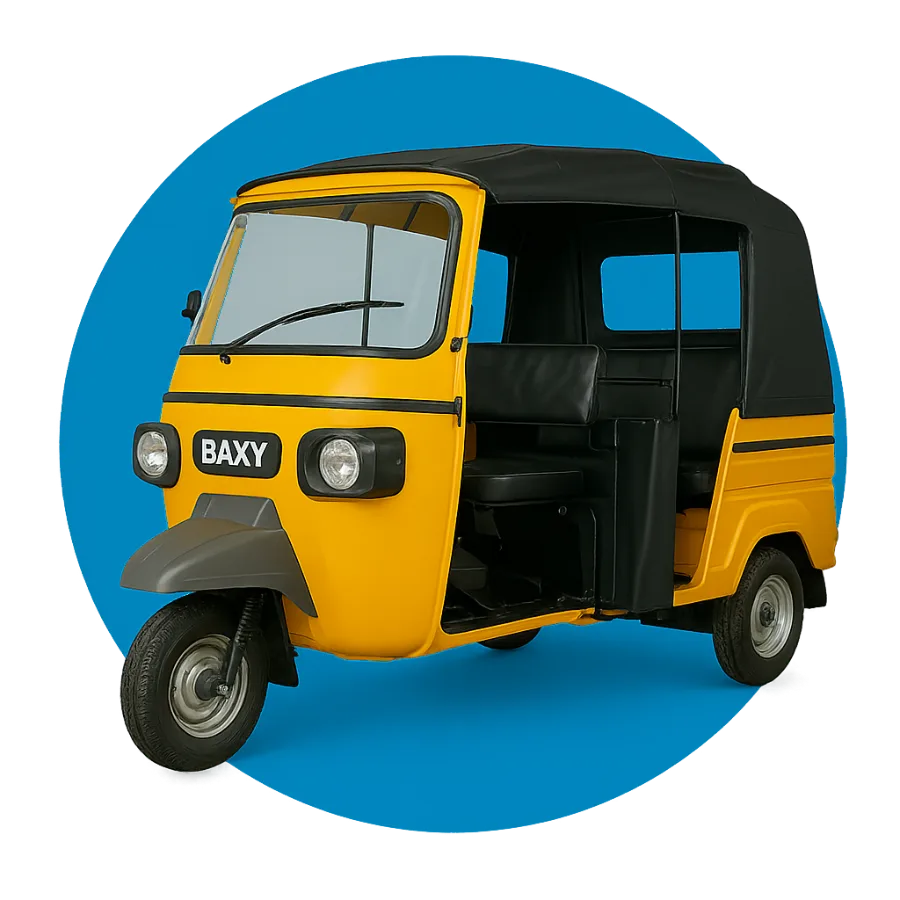
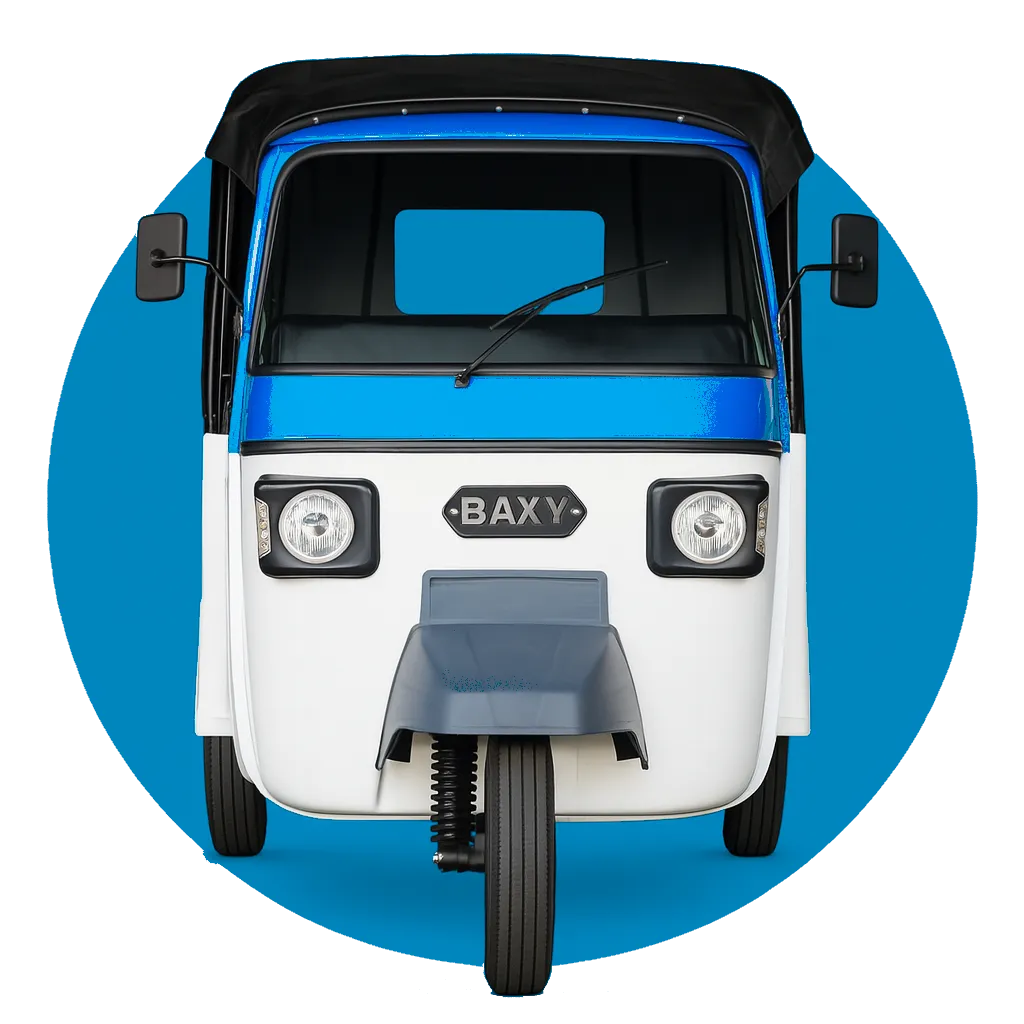
- Baxy Express, Baxy Lion, Champion CH250/T, Baxy Super King
- Plan for
- Heat, salt air and island congestion
Where the passenger work is
Most passenger tuk-tuks in Mombasa work fixed stages. Busy points include the Likoni ferry, Mwembe Tayari, the Old Town and Fort Jesus area, and the estates of Kisauni, Bamburi, Nyali and Changamwe. Morning and evening commuter peaks are the steadiest trade. Between peaks, drivers take private hire: school runs, hospital visits, shopping trips and transfers to the SGR terminus on the mainland.
Tourism adds a second market. Visitors in Nyali, Bamburi and Shanzu use tuk-tuks for short trips to beaches, malls and restaurants. Drivers who keep a clean vehicle, get to know hotel staff and keep a list of regular customers on WhatsApp tend to fill the quiet hours.
Cargo work in a port city
Mombasa's port and wholesale trade create steady demand for small cargo vehicles. Cargo tuk-tuks move fruit and vegetables out of Kongowea and Marikiti, restock shops and kiosks from wholesalers in the town centre, and deliver water and gas to homes. Hardware stores and building sites in growing mainland areas such as Bamburi, Mtwapa and Mariakani need sand, ballast and blocks moved in small loads.
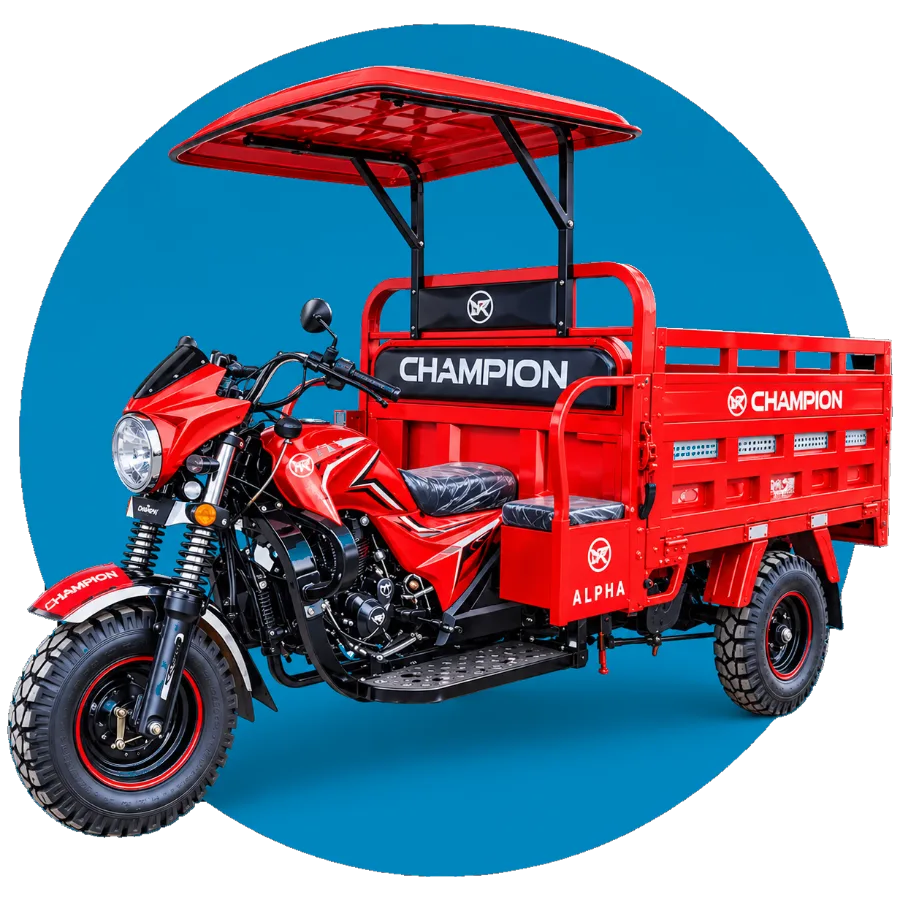
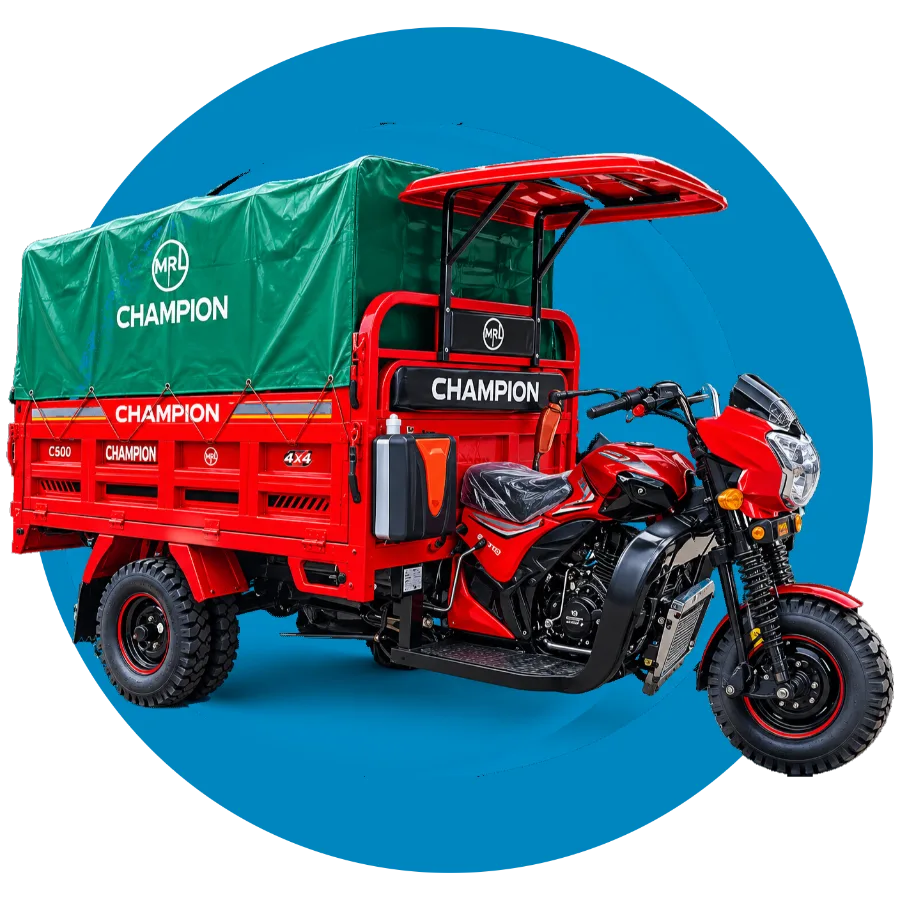
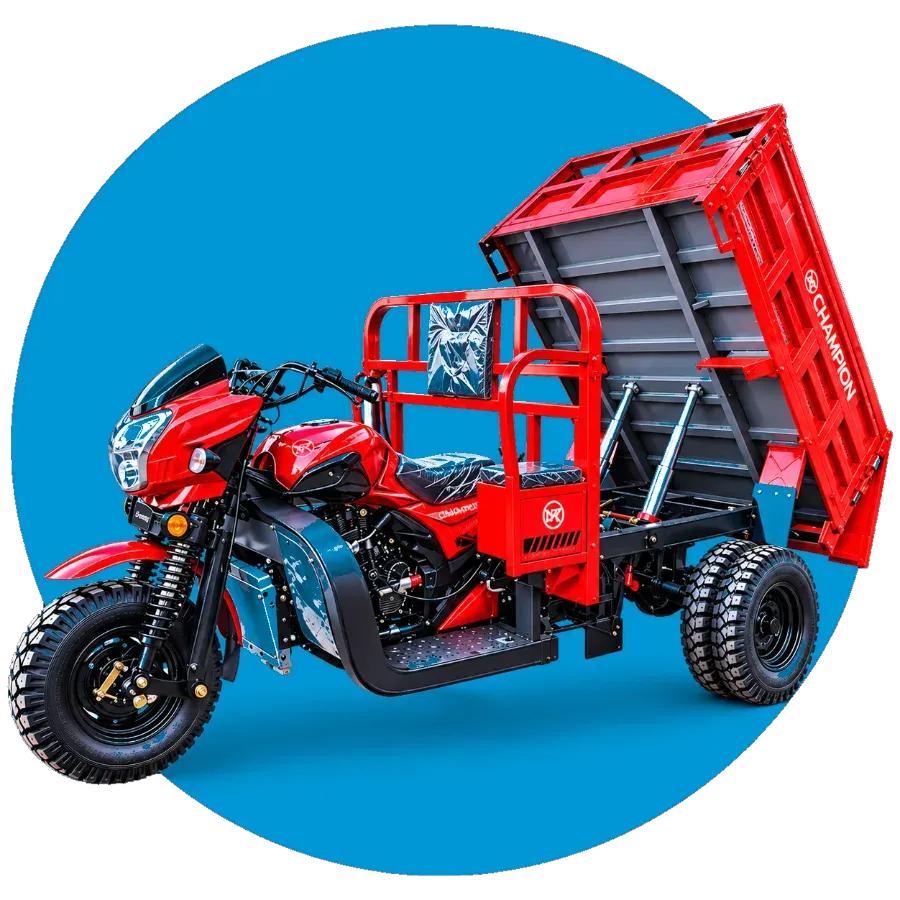
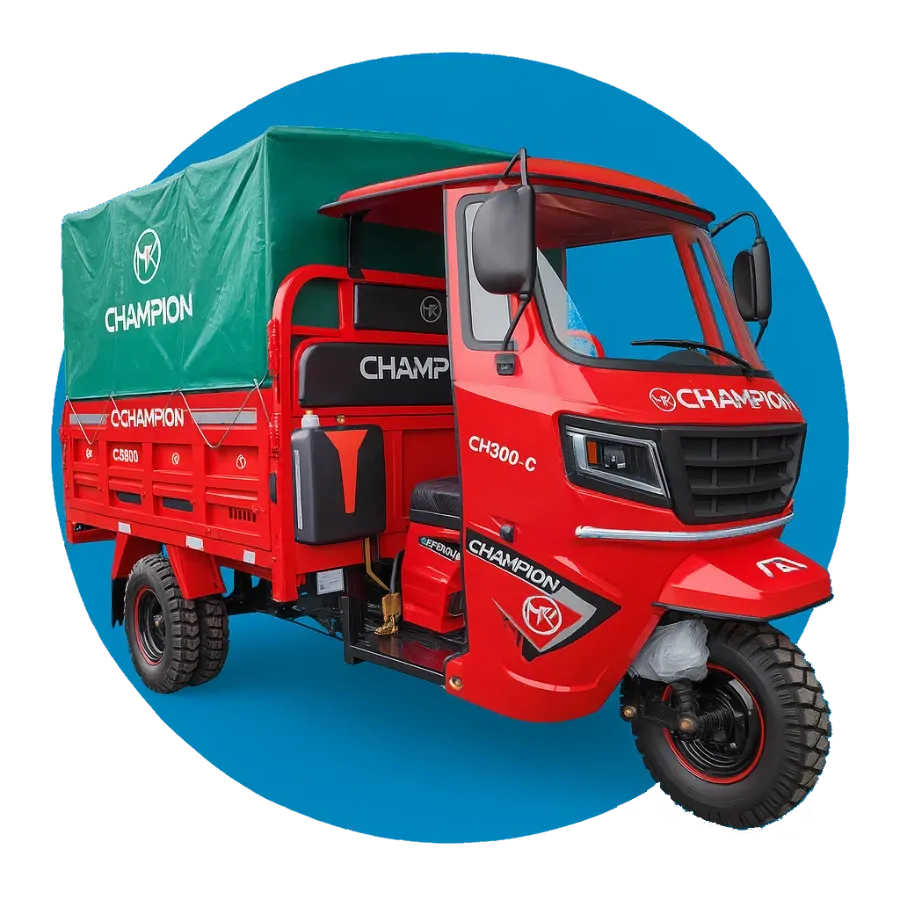
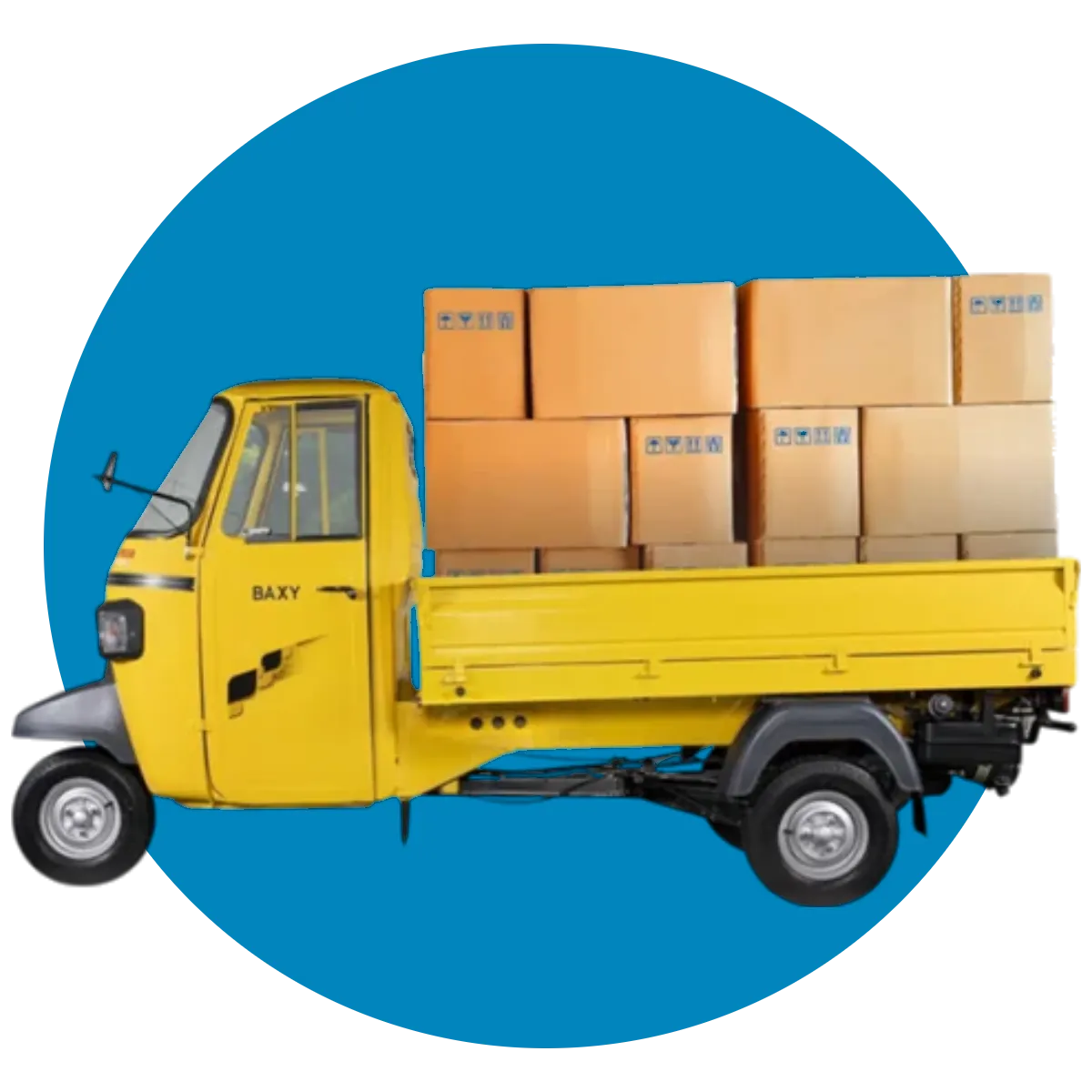
The Champion CH200 and CH250 suit shop and market runs. The CH250/T tipper is built for building materials. For bulky goods such as furniture and mattresses, the diesel Baxy Super King has a longer deck.
Heat, salt air and choosing a model
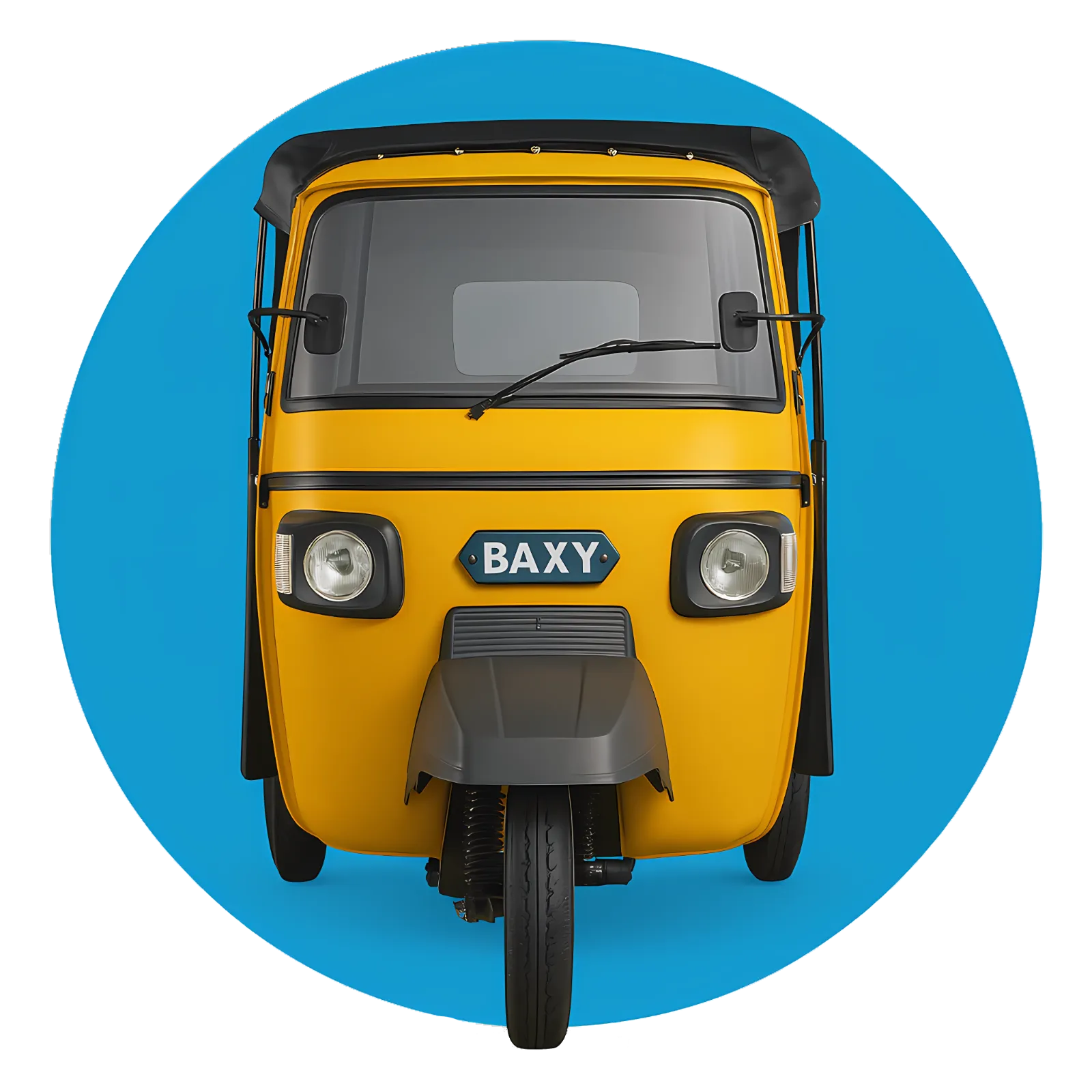
Mombasa is hot and humid all year, and salt air is hard on metal. Ask about corrosion protection when you compare models: the Baxy Express has CED-coated chassis and body panels. Water-cooled engines, such as those in the Champion CH250 and CH300, cope better with long, loaded days in the heat.
Island roads are paved but congested, so a tight turning circle matters more than top speed. If you plan to work short town routes and can charge between shifts, compare the electric Baxy Lion with the diesel Baxy Express.
Getting on the road in Mombasa
A tuk-tuk that carries paying passengers is a public service vehicle. It needs NTSA registration, a PSV licence and commercial PSV insurance, and the driver needs a valid licence for three-wheelers. NTSA expects PSV operators to belong to a registered SACCO or company, and most stages have their own association with its own fees and rules. Cargo tuk-tuks need registration and commercial insurance.
Mombasa County charges for business permits and, in many towns, stage or parking fees. Rules and fees change, so confirm current requirements with NTSA and the Mombasa County offices before you set your budget.
Plan for more than the price of the vehicle. Your first budget should cover registration, insurance, licences, SACCO membership, basic spares, and fuel or charging for the first weeks while you build regular customers.
Driving it yourself or hiring a driver
Some owners drive their own tuk-tuk. Others buy one and employ a driver. If you hire, agree the terms in writing: the daily or weekly amount the driver hands over, who pays for fuel and minor repairs, rest days, and what happens after an accident. Keep service records, because they help if you ever need to make a warranty claim.
Buying and support at MRL Mombasa
MRL Mombasa is our head office and hub. You can see every model, compare them side by side, buy, book a service and get genuine spares in one place.
Bring your questions about documents and which model suits your work. Financing applications are handled by MRL Finance at mrlfinance.com.
Licensing and permit details are general guidance. Confirm current requirements with NTSA and your county before you buy.